
Politics3 min readMar 26, 2026

Blocked Funds and Legal Defense: Maduro's U.S. Legal Drama Reveals Financial and Strategic Tensions

Listen
Share

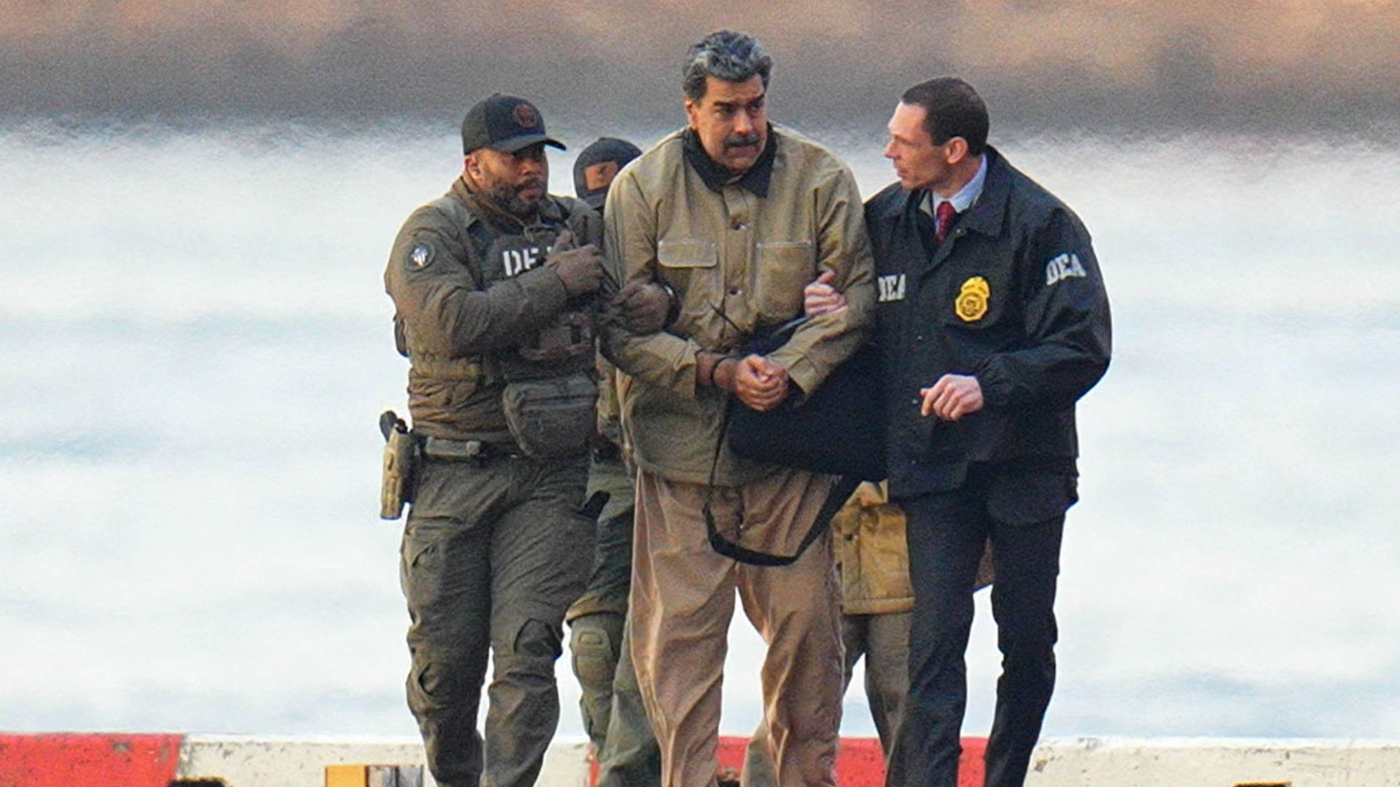
Nicolás Maduro and Cilia Flores are fighting for funds for their legal defense amid drug trafficking charges and U.S. sanctions.

OMNI
OMNI
#Nicolas Maduro#Cilia Flores#Venezuela#United States#Trial#Sanctions
Blocked Funds and Legal Defense: Maduro's U.S. Legal Drama Reveals Financial and Strategic Tensions
In a crucial court hearing, former Venezuelan President Nicolás Maduro's attorney argued that Venezuela should finance the legal expenses of Maduro and his wife, Cilia Flores. The defense claimed they lack the resources to afford their own legal representation. The case revolves around drug trafficking and narco-terrorism charges they face in New York, sparking a heated debate about access to justice and the financial implications of international sanctions.

Prosecutor Kyle Wirshba opposed the request, citing U.S. sanctions that prevent Venezuela from providing financial assistance. Wirshba suggested they could use public defenders. Judge Alvin Hellerstein, presiding over the case, described the situation as "beyond the normal," potentially affecting the public defenders' ability to perform their usual duties.
The U.S. government's investigation aims to determine whether Maduro and his wife can afford their defense costs. Prosecutor Wirshba also argued that Judge Hellerstein has no say over the release of Venezuelan funds by the U.S. Office of Foreign Assets Control (OFAC) to cover Maduro's legal costs. This legal dispute highlights the financial and political complexities surrounding the case.

Maduro's lawyer, Barry Pollack, argues that this situation prevents his client from exercising his Sixth Amendment right to choose his own attorney. Maduro and Flores have pleaded not guilty to the alleged crimes, as the legal battle continues.
Judge Alvin Hellerstein, with a distinguished 92-year career, has yet to set a trial date, leaving key decisions about funding Maduro's defense in suspense. The judge has not ruled on the use of Venezuelan funds to cover legal costs, but he has indicated to Maduro's attorney that he does not intend to dismiss the case. This delay and the lack of resolution on the funds highlight the complexity of the legal process and its political and financial implications.

The legal situation of Maduro and Flores continues to develop, against a backdrop of international sanctions and political tensions that further complicate the process.
The drug trafficking and narco-terrorism charges against Maduro and Flores are extremely serious, and the political context between the United States and Venezuela adds an additional layer of complexity. The dispute over funds for legal defense reflects the diplomatic tensions and economic sanctions affecting Venezuela.

The outcome of this case could have significant implications for both Venezuelan domestic politics and international relations. Judge Hellerstein's decision and the actions of the prosecution are closely watched by legal and political observers around the world.
This case highlights how legal matters can be intertwined with international politics and finance. Economic sanctions, diplomacy, and the rights of the accused converge in a judicial process that could set important precedents. The struggle for funds for legal defense is just one part of a broader narrative about power, justice, and international relations.

The continued evolution of the case and the judicial decisions that will be made in the future will be crucial to understanding its full implications.