#Antony Blinken#Donald Trump#Iran#Foreign Policy#United States
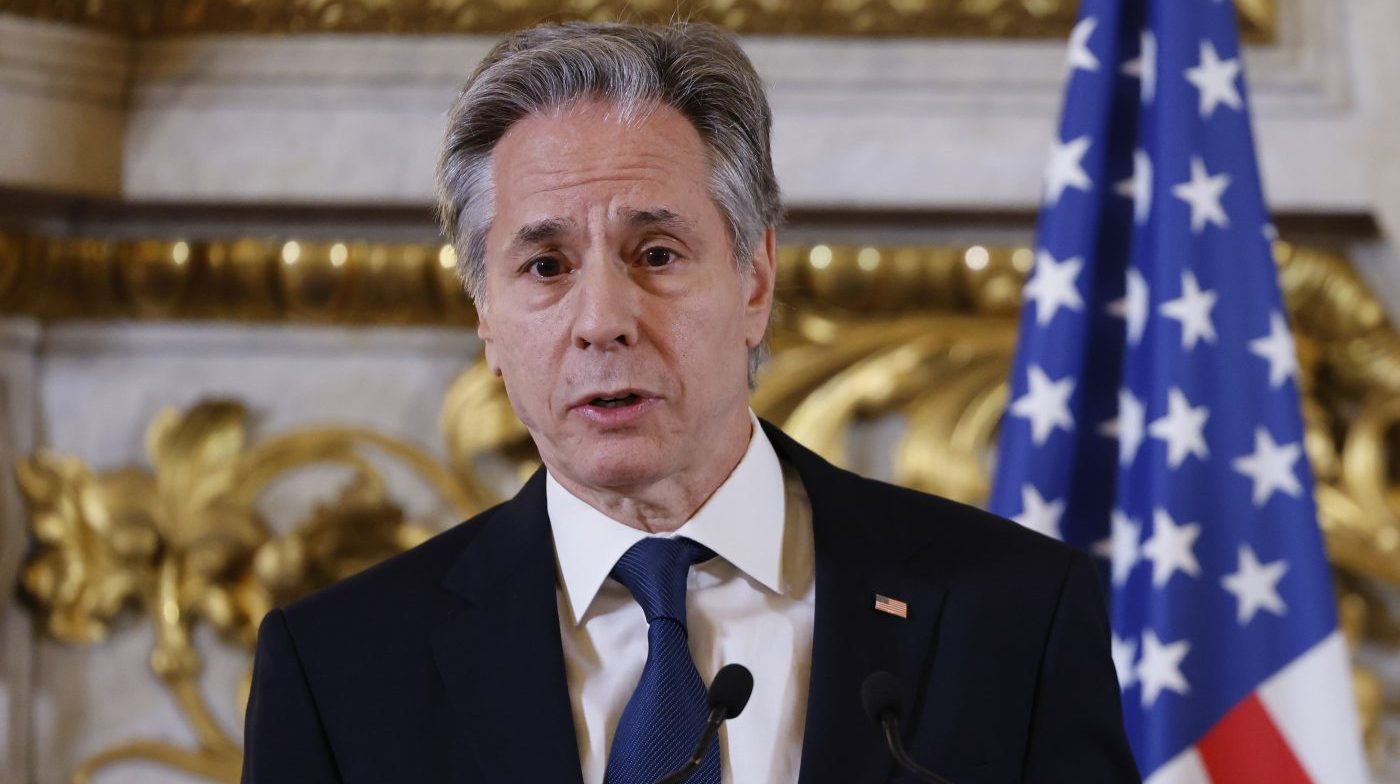
Former Secretary of State Antony Blinken denied Donald Trump's claims about his supposed intention to launch military operations against Iran. Trump, during a speech to Republican members of Congress, stated that Blinken had said that Iran should have been attacked. In response, Blinken used the X platform to flatly deny these statements and present evidence of his previous comments on US-Iran relations during his time in the Biden administration.
Blinken highlighted in his response on X, that the Trump administration launched joint strikes with Israel against Iran at the end of February, after the failure of nuclear negotiations. Trump was attempting to form a new deal after dissolving the existing agreement, the Joint Comprehensive Plan of Action (JCPOA), during his first administration.
The former Secretary of State questioned Trump's decision to abandon the JCPOA, arguing that the terms could have been extended or renegotiated, retaining the military option and obtaining more information about the Iranian program.
Trump claimed that Blinken had expressed that Iran should have been attacked, which generated an immediate response from the former Secretary of State. The former president suggested that Blinken was an ally of Biden, and that therefore, he did not understand the decisions of the previous administration. This accusation came amid growing tensions in the region and an ongoing debate about U.S. foreign policy towards Iran.
The JCPOA, negotiated during the Obama administration, sought to dismantle the Iranian nuclear program. Trump, by withdrawing from this agreement, generated criticism and debates about the consequences of this decision. Blinken argued that remaining in the agreement could have been beneficial for the United States.
Trump, for his part, has maintained a firm stance against Iran, seeking a new agreement that he considers more favorable to US interests. The current situation reflects the deep divisions in U.S. foreign policy and the complexities of relations with Iran.
Blinken also criticized the economic impacts of the attacks between the United States and Iran. He argued that the failure to anticipate and prepare for Iran's actions in the Strait of Hormuz put the United States in an unfavorable position. The disruption of the flow of oil through this key trade corridor, due to Iranian counterattacks, has caused an increase in energy prices worldwide.
International benchmark Brent crude was trading around $106 per barrel on Thursday evening, while the US benchmark West Texas Intermediate was trading at about $93 per barrel. Blinken warned that markets and munitions would dictate when Trump would feel compelled to declare victory and walk away, but with Iran controlling the strait.
The former Secretary of State suggested that, while a negotiation could solve the situation, concessions would have to be made to Iran, or the bet could be doubled down, assuming a huge risk.
Blinken also cited the human impact of these military operations, noting that thirteen U.S. service members have died and nearly 300 have sustained injuries during this conflict. This aspect underscores the tragic consequences of tensions in the region and the importance of considering the human cost of political decisions.
The current situation reflects the complexity of international relations and the need for a diplomatic and strategic approach to resolving conflicts. Blinken concluded his post on X by stating that, for his part, he would not have acted that way, making clear his disagreement with any military action.
On Thursday, Trump announced a temporary pause on U.S. strikes against Iranian energy infrastructure, amid ongoing negotiations for a peace deal between the two countries.