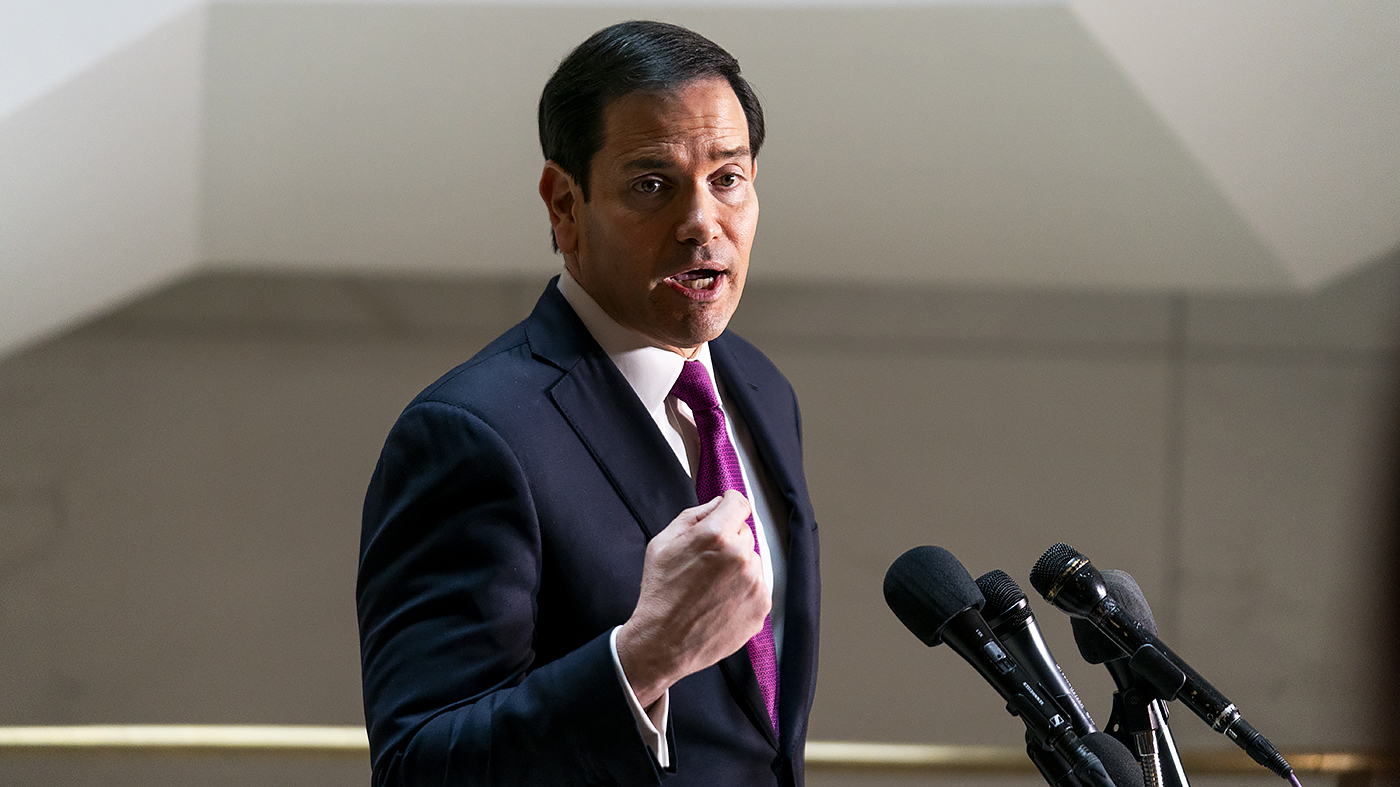
Secretary of State Marco Rubio expressed confidence on Thursday regarding reopened negotiations with Iran. Rubio told reporters at Joint Base Andrews that "progress has been made" after the U.S. sent over a draft peace proposal to Tehran this week. The official noted an increase in the flow of energy through the strait, although not at the desired level. Despite this, Rubio emphasized that the process is ongoing and changing, and that it will not be negotiated or discussed in the media.
President Trump's advisor and special envoy Steve Witkoff confirmed that the administration shared a 15-point "action list" with Tehran earlier this week through Pakistani officials. Witkoff called the ongoing negotiations "strong and productive."
Tehran responded with several demands, including sovereignty over the Strait of Hormuz, the cessation of military operations against the country by Israel and the United States, and reimbursement for costs incurred during the conflict. These demands reflect the complexities and multiple layers of interests at stake. The situation in the Strait of Hormuz is particularly critical, as it is a crucial maritime route for world oil trade.
Tension in the region has affected the flow of oil barrels, leading to significant fluctuations in crude oil prices.
President Trump said Thursday that Iranian officials gave the U.S. a "gift" by allowing 10 oil-carrying ships to pass through the Strait of Hormuz. This corridor is vital for world oil trade. Iranian counterstrikes on U.S. military bases and energy infrastructure in the region had halted the flow of barrels through the Strait, resulting in major fluctuations in the price of Brent crude.
International benchmark Brent crude was trading around $108 per barrel on Thursday, while the U.S. benchmark West Texas Intermediate was trading at about $95 per barrel.
In a Truth Social post on Thursday morning, Trump claimed that Iranian negotiators are "begging" the U.S. to make a deal, calling them "very different and 'strange'." The former president wrote: "They are 'begging' us to make a deal, which they should be doing since they have been militarily obliterated, with zero chance of a comeback, and yet they publicly state that they are only 'looking at our proposal'."
Trump added: "WRONG!!! They better get serious soon, before it is too late, because once that happens, there is NO TURNING BACK, and it won't be pretty!"
Despite the reported progress, the negotiation process between the United States and Iran remains uncertain and volatile. Iran's demands and Trump's statements suggest that there are still significant differences that need to be resolved. The situation in the Strait of Hormuz and fluctuations in oil prices add more complexity to the picture.
The world is closely watching the development of these negotiations, which could have significant geopolitical and economic consequences.