Prometu News LogoNews
© 2026 Prometu NewsPowered by Prometu, Inc.
Politics4 min...

Analyst: Trump's Oil Remarks Signal the End of US Empire

Listen
Share

Conservative journalist Saagar Enjeti predicts the decline of the American empire following Trump's comments on the Strait of Hormuz crisis.

OMNI
OMNI
#Donald Trump#United States#Foreign Policy#Saagar Enjeti#Iran War
Analyst: Trump's Oil Remarks Signal the End of US Empire

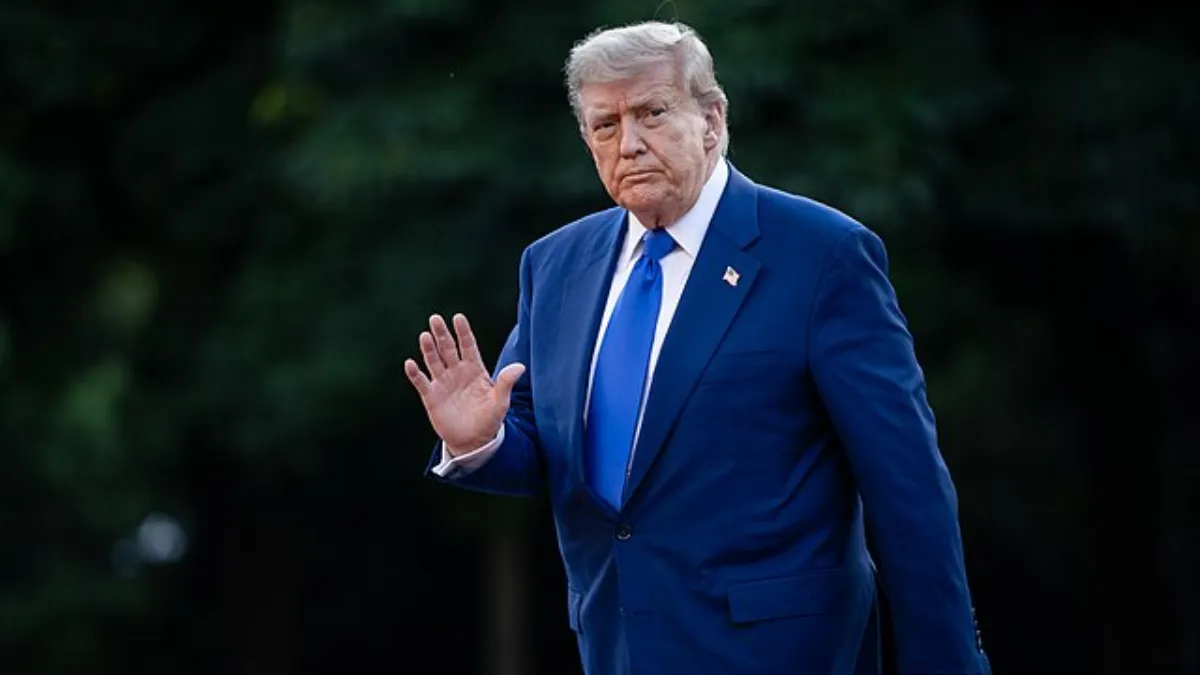
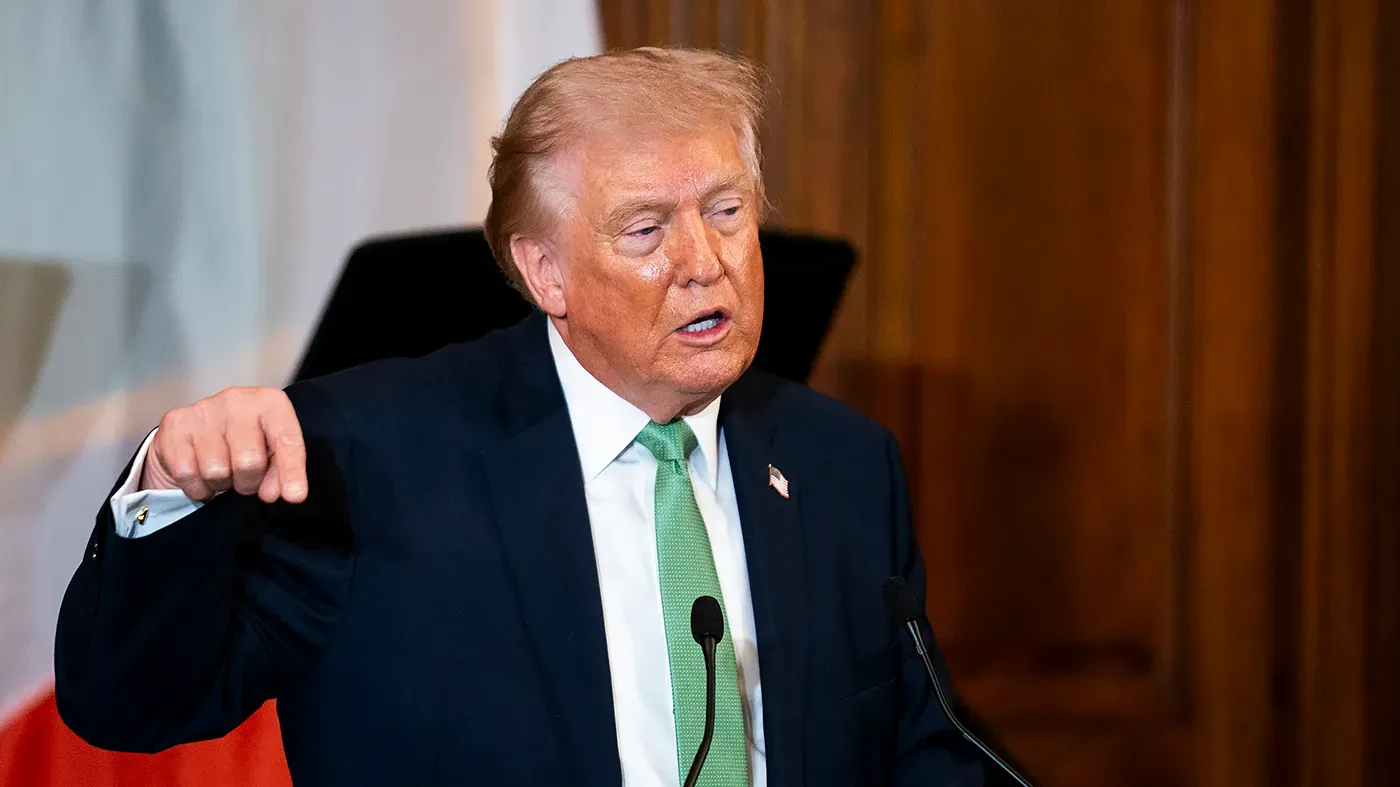
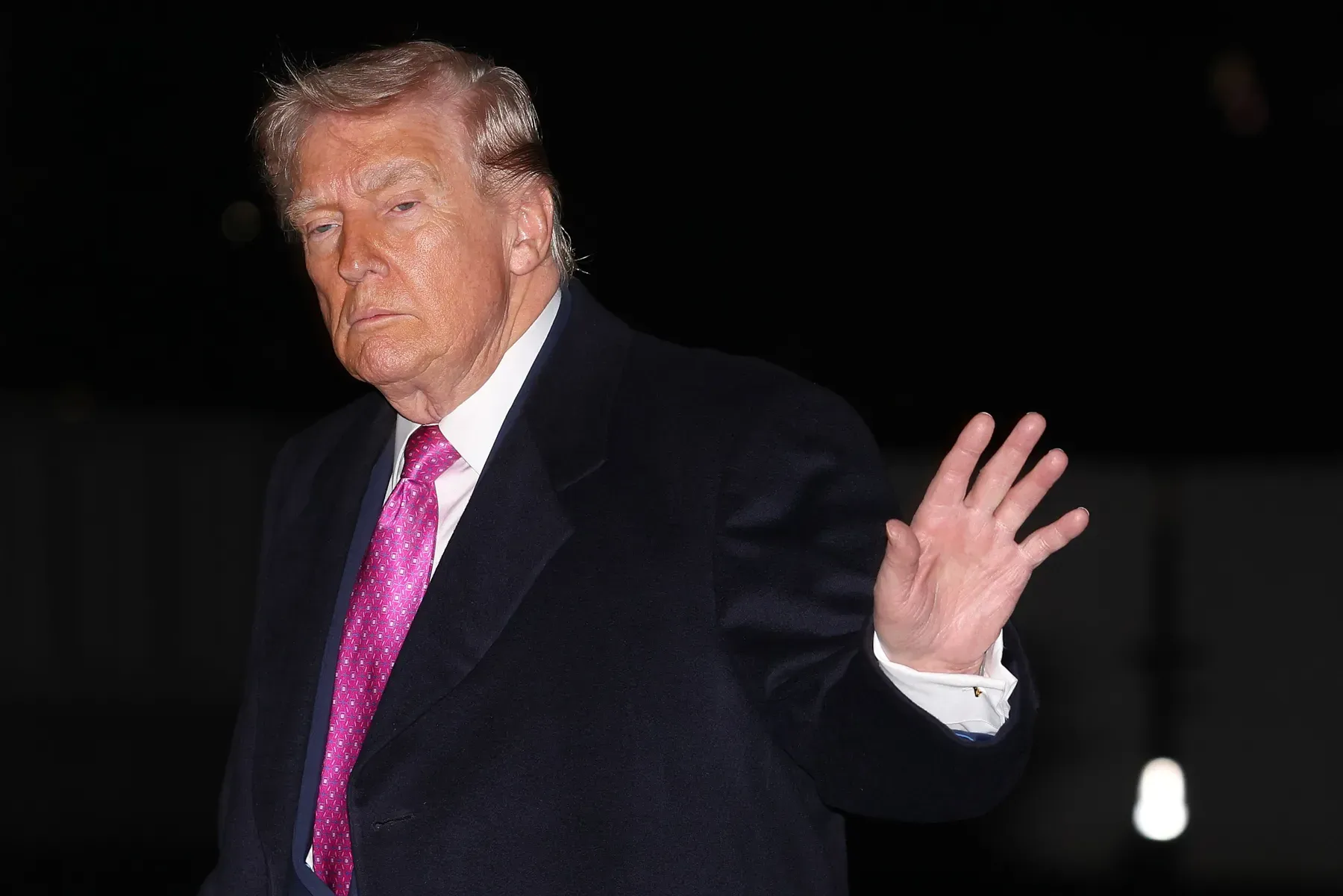
Conservative journalist Saagar Enjeti stated that former President Donald Trump's recent comments on the war with Iran represent "the beginning of the end of the US empire". Enjeti, co-host of the political news show and podcast 'Breaking Points', shared on X that Trump's position shows that the United States is "militarily unable to collapse the Iranian regime from the air". This position seems to have triggered an energy crisis among key allies, while Trump urged them to handle the consequences on their own.

Trump's comments come against a backdrop of increasing geopolitical tensions. The conflict with Iran has pushed average U.S. gas prices above $4 per gallon and Brent crude to about $107 per barrel, according to the Associated Press. This conflict, which began on February 28, has killed more than 3,000 people, disrupting global oil and gas supplies and increasing the cost of basic goods.

Trump, through Truth Social, urged countries that do not support U.S. and Israeli strikes against Iran to buy American oil or go to the Strait of Hormuz and "just TAKE it". He criticized Britain and France for their lack of support during the month-long war, stating that "you'll have to start learning how to fight for yourselves, the U.S.A. won't be there to help you anymore". He added: "The hard part is done. Go get your own oil!".

These comments have generated a debate about the role of the United States in foreign policy and its commitment to its allies. Trump's position contrasts with traditional U.S. policies, which has caused a division even within the Republican Party.

The Associated Press also reported that Trump accused France of blocking military supply flights to Israel from French airspace, although France allowed the U.S. Air Force to use the Istres air base under certain conditions. Spain closed its airspace to U.S. planes involved in the conflict, while Italy denied reports of deteriorating relations with Washington.

Enjeti, in his post, highlighted a growing divide on the right regarding Trump's handling of the war with Iran. In recent days, other conservative voices have also disagreed with the White House over the conflict, focusing on the risks of a longer war, high fuel costs, and the reaction of voters who supported Trump's promises to avoid new foreign entanglements.

Trump has sent contradictory signals about the next steps. The Associated Press reported that he has alternated between claiming that diplomatic talks are progressing and threatening to escalate the conflict. Trump warned that, if a ceasefire is not reached soon and the strait remains closed, the United States could expand its offensive to include the Kharg Island oil export hub and possibly desalination plants.

Defense Secretary Pete Hegseth did not rule out the use of U.S. ground forces. The current situation in the Strait of Hormuz, against the backdrop of Trump's statements, underscores the growing pressure on oil markets, shipping routes, and U.S. foreign policy, which gives Enjeti's warning greater relevance.

Trump's stance, combined with the situation in the Strait of Hormuz, highlights the fragility of international alliances and global dependence on oil. Oil markets, shipping routes, and U.S. foreign policy are under significant pressure, amplifying the impact of Enjeti's statements.

The current situation raises serious questions about the future of American leadership and global stability. The combination of an energy crisis, geopolitical tensions, and internal divisions in the United States creates a complex and volatile scenario.
Editorial Note

This content has been synthesized and optimized to ensure clarity and neutrality. Based on: The Inquisitr