Spy Powers Face Scrutiny: Congress and White House Negotiate New Language After Meeting
Listen
Share
Lawmakers and the White House are seeking a new agreement on warrantless spy powers following a key meeting that could redefine surveillance in the United States.
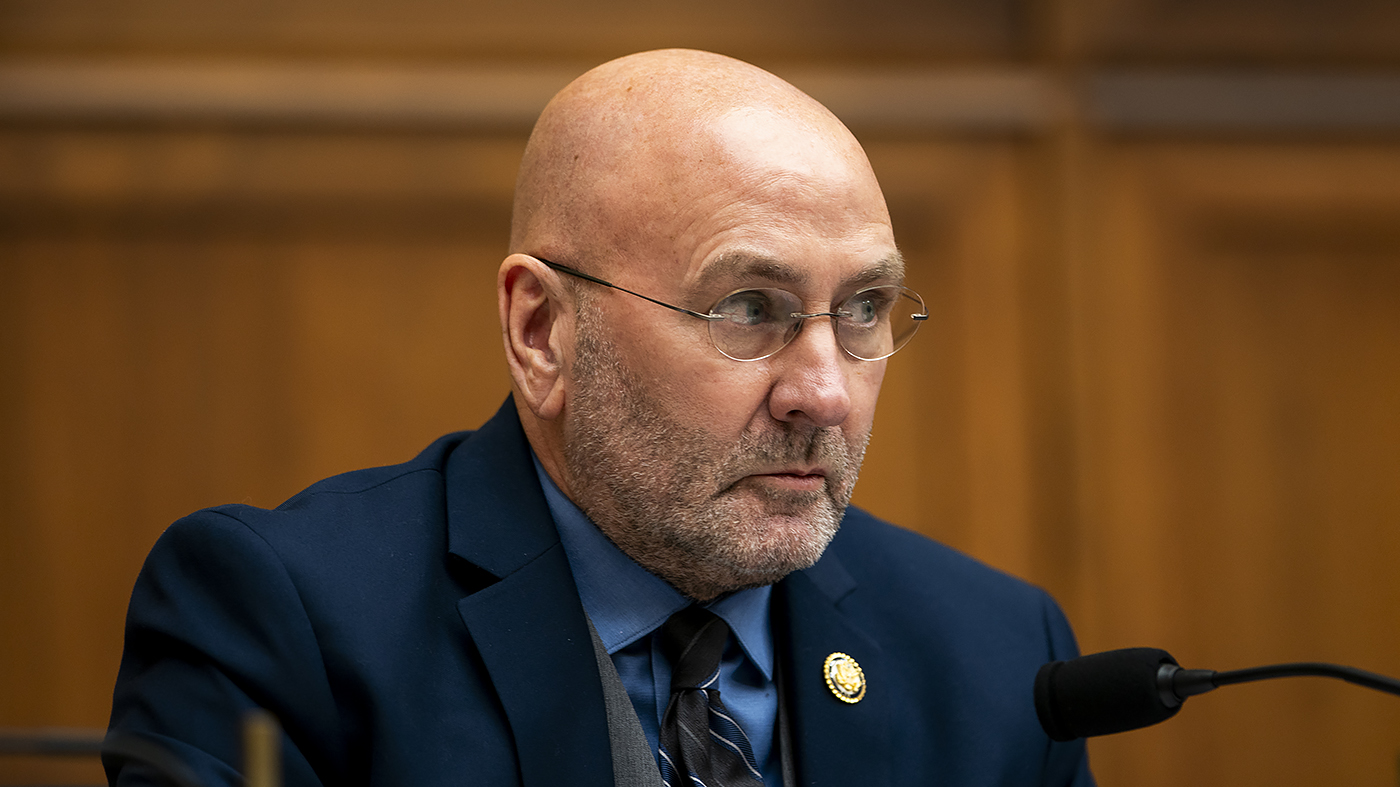
After a meeting with top Trump administration officials, lawmakers are working on new language for the reauthorization of warrantless spy powers. Representative Clay Higgins (R-La.) described the two-hour meeting as productive, indicating a collaborative effort to address concerns and get the bill passed. The aim is to find common ground that respects differing positions but allows for legislative progress.
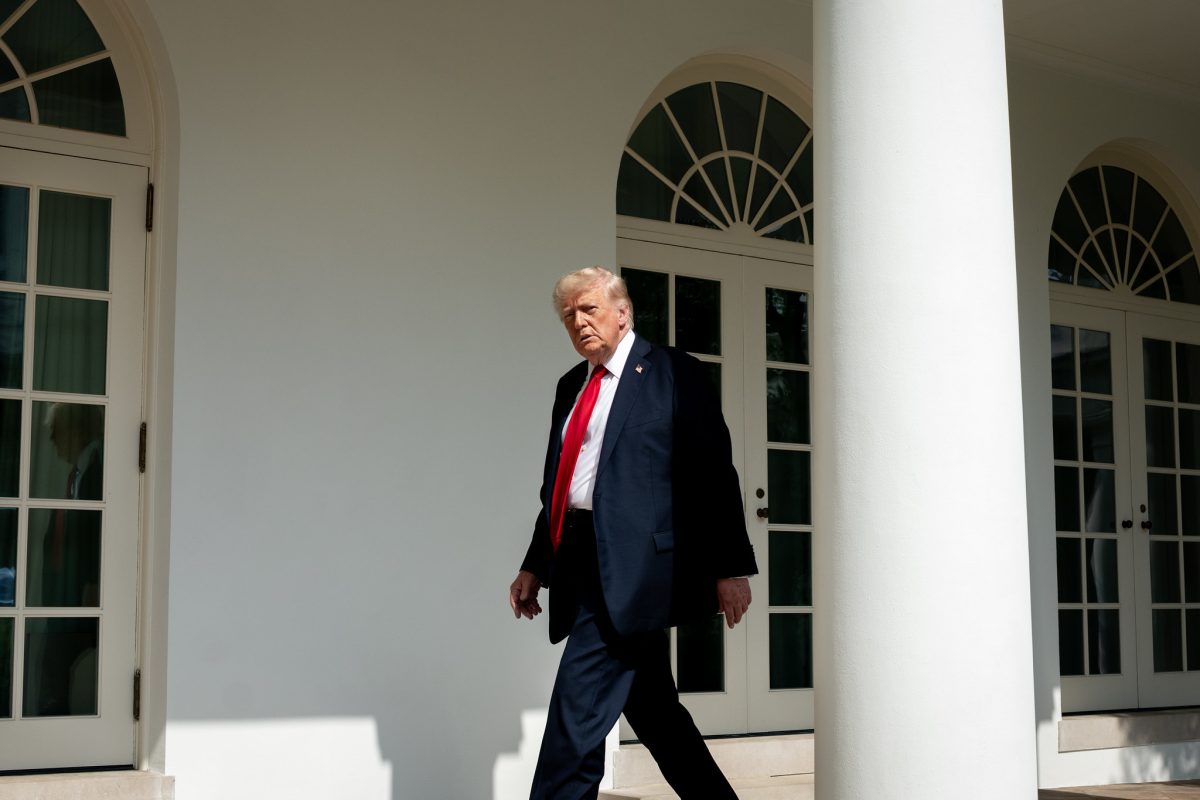
President Trump supports the reauthorization of Section 702 of the Foreign Intelligence Surveillance Act (FISA), which is a shift from his previous stance, as he had previously called for FISA to be 'KILLED'. This section allows the government to spy on foreigners located abroad, which has generated debate and concern among lawmakers.
Privacy-minded lawmakers from both parties have pushed for an amendment requiring a warrant to protect the Fourth Amendment rights of Americans. This is because their data could be collected if they communicate with foreigners under surveillance. Representative Higgins indicated that the changes will focus on the Fourth Amendment and the constitutional rights of U.S. citizens.
Higgins emphasized that he would not support a bill that did not address these concerns, including the constitutional rights of citizens subject to searches or inquiries. Lawmakers are seeking a point of convergence that ensures national security without compromising civil liberties.
House Majority Leader Steve Scalise (R-La.) initially suggested that new text was not being worked on, but later clarified that he had not seen any text agreed upon by everyone. Representative Ralph Norman (R-S.C.), who voted against Section 702 in 2024, confirmed that new text was being drafted, although it is unclear whether it will be sufficient to satisfy the concerns of all lawmakers.
The discussion of new language indicates an ongoing effort to balance national security needs with privacy protections. The White House did not respond to requests for comment on the matter, but the negotiations suggest an attempt to reach a consensus.
National security officials have traditionally opposed the requirement of a warrant, arguing the need to access information in real time to respond to and thwart potential threats. They need to monitor the communications of foreign targets, including both sides of the conversation, even the responses from U.S. soil.
The tension between national security and individual privacy remains a central theme in the debate over the reauthorization of Section 702. Lawmakers are seeking a solution that meets both needs, but the outcome remains uncertain.
The meeting at the White House and the discussions about new language reflect the complexity and sensitivity of the issue. Trump's changed position, and the various positions of the lawmakers, suggest that the reauthorization process will be long and potentially controversial. The search for a consensus between the need for national security and the protection of civil liberties will be key to the future of surveillance in the United States.
The outcome of these negotiations will have a significant impact on how the government collects and uses intelligence information, and on the protection of citizens' rights.