PrometuNews
© 2026 Prometu NewsPowered by Prometu, Inc.
Health Tech4 min...

Study Reveals Brain Differences in Children with ADHD and Emotional Outbursts

Listen
Share

Research reveals that children with ADHD and severe emotional outbursts show specific differences in brain structure and connectivity.

OMNI
OMNI
#ADHD#mental health#neuroscience#children#psychology
Study Reveals Brain Differences in Children with ADHD and Emotional Outbursts

Attention-Deficit/Hyperactivity Disorder (ADHD) is widely recognized for symptoms of inattention and hyperactivity, but many children also grapple with intense emotional reactions such as tantrums and difficulty calming down.

These emotional challenges, while not official diagnostic criteria, can be highly impairing. Previous brain-imaging studies have struggled to pinpoint consistent neural markers of ADHD, partly because these emotional symptoms have often been overlooked.

The research team, led by Amy Krain Roy from Fordham University, set out to investigate whether emotional and behavioral difficulties in ADHD stem from the same brain mechanisms or distinct ones.

They focused on children with “impairing emotional outbursts” (IEOs), defined as severe verbal or physical rages that occur several times a week, are developmentally inappropriate, and interfere with daily life.

For this study, 123 children (94 males) between the ages of 5 and 9.9 years old were recruited.

The sample included 47 children with both ADHD and IEOs, 39 children with ADHD without outbursts, and 37 neurotypical children. Parents completed detailed questionnaires about their children’s behavior and emotions, and the children underwent structural and functional MRI brain scans.

The team analyzed the behavioral data using a statistical method that identifies underlying behavioral dimensions.

Four key factors were extracted: externalizing behavior (aggression, anger, hyperactivity), emotion dysregulation, internalizing (anxiety), and impulsivity. The most striking difference was in the “externalizing behavior” factor, which was significantly higher in children with ADHD and emotional outbursts.

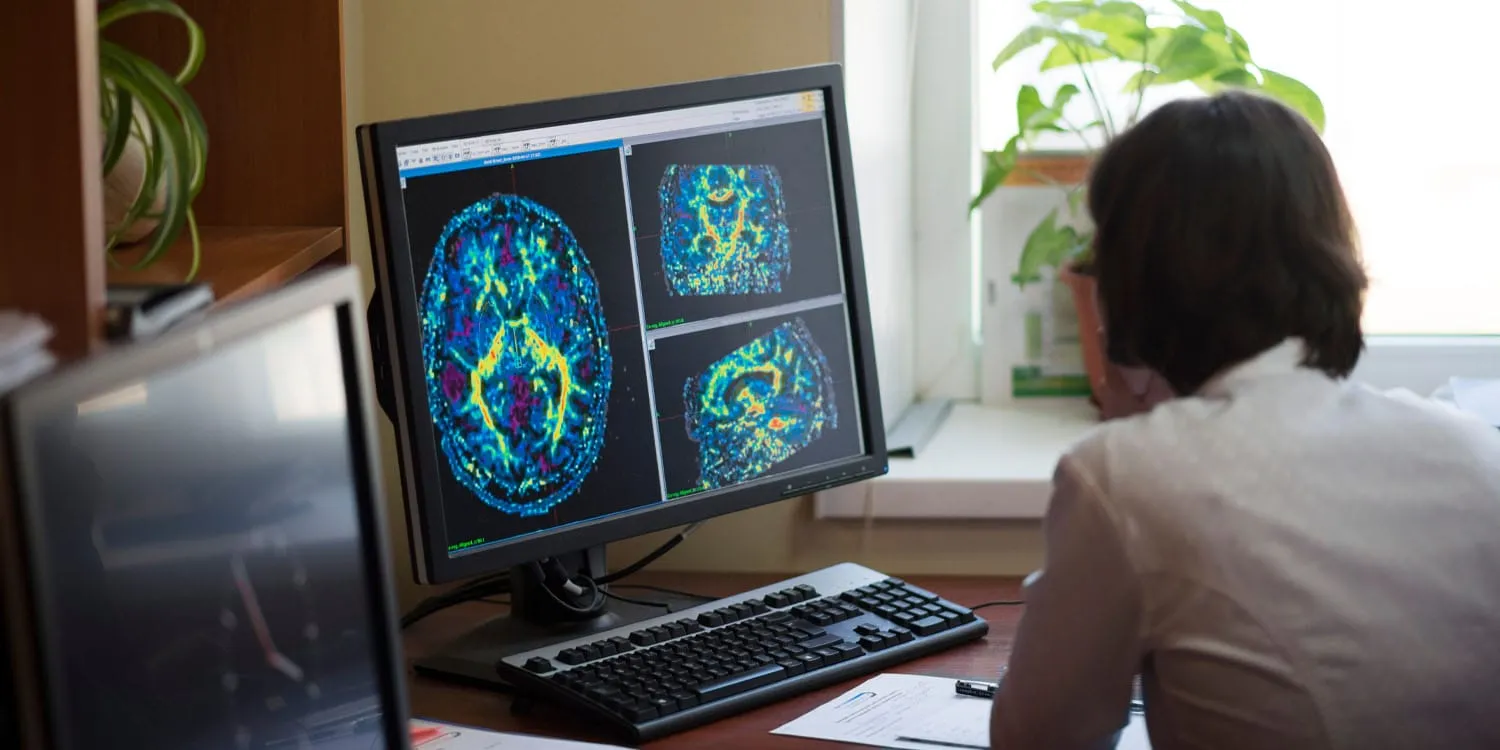
Researchers examined brain structure using a machine-learning technique called Latent Dirichlet Allocation (LDA), revealing patterns in cortical thickness.

Children with ADHD and emotional outbursts showed greater cortical thickness in the DLPFC compared to neurotypical children. This region is involved in self-control, attention, and emotional regulation, and its thickness was associated with higher scores on the “externalizing behavior” factor.

The team utilized the DLPFC as a “seed” to examine how its communication with the rest of the brain differed across groups during a resting-state fMRI scan.

Both ADHD groups showed weaker communication between the DLPFC and parts of the default mode network, involved in self-reflection. However, children with ADHD and emotional outbursts showed significantly weaker connectivity between the DLPFC and the visual, dorsal attention, and salience networks.

This specific miscommunication suggests a distinct neural signature for severe emotion dysregulation in ADHD.

The authors explain that combining behavioral, structural, and functional data reveals unique neural features associated with behavioral and emotional dysregulation. Their findings support the idea that emotion dysregulation should be considered a core component of the ADHD diagnosis for some children.

The study, while revealing, has limitations.

Being cross-sectional, it cannot determine whether these brain differences cause the emotional outbursts or result from them. Also, the behavioral factors were based exclusively on parent questionnaires, which can introduce bias. The fMRI scans lasted only six minutes, which could have affected the reliability of the functional connectivity data.
Editorial Note

This content has been synthesized and optimized to ensure clarity and neutrality. Based on: PsyPost