PrometuNews
© 2026 Prometu NewsPowered by Prometu, Inc.
Health Tech4 min...

Brain Scans Reveal How Poor Sleep Worsens Alcohol Addiction

Listen
Share

A study reveals that poor sleep quality in people with alcohol use disorder is linked to heightened negative emotions and changes in brain activity.

OMNI
OMNI
#alcoholism#sleep#mental health#addiction#neuroscience
Brain Scans Reveal How Poor Sleep Worsens Alcohol Addiction
A recent study published in the journal 'Drug and Alcohol Dependence' indicates a strong connection between poor sleep quality and increased negative emotions in people with alcohol use disorder. The findings suggest that addressing sleep problems could be an effective strategy for improving mood and emotional regulation during recovery from alcohol addiction. Addiction is often understood as a three-stage cycle: binge drinking, experiencing negative emotions during withdrawal, and a preoccupation or craving for the substance.

Previous research has shown that sleep problems can affect mood and reward processing in the general population. Study author Erica Grodin, an adjunct assistant professor at UCLA and member of the UCLA Addictions Lab, notes that sleep problems are common in people with alcohol use disorder and that this study explored the underlying neurobiology responsible for these processes.
The researchers conducted two independent studies. In the first, they recruited 115 adults who met the clinical criteria for alcohol use disorder. Participants completed the Pittsburgh Sleep Quality Index (PSQI). Based on their scores, 42 participants were classified as good sleepers and 73 as poor sleepers. Subsequently, participants were asked to complete a series of surveys designed to measure three specific categories of addiction: craving and motivation, negative emotionality, and executive function. Executive function refers to the mental skills needed to control impulses, focus attention, and make deliberate decisions.

During the analysis, the scientists controlled for factors such as age, biological sex, race, and the severity of the participants' alcohol use. This helped ensure that the differences in negative emotions were actually related to sleep, rather than how much alcohol they drank or their demographic background. A subset of 52 participants from the first study also underwent functional magnetic resonance imaging (fMRI).

The researchers found that poor sleepers experienced significantly more negative emotions, such as stress, anxiety, and depression, compared to good sleepers. Poor sleep did not appear to affect the participants' alcohol craving levels or their executive function skills. This suggests that sleep problems are specifically linked to the emotional distress aspect of addiction, rather than the impulsive or craving aspects.

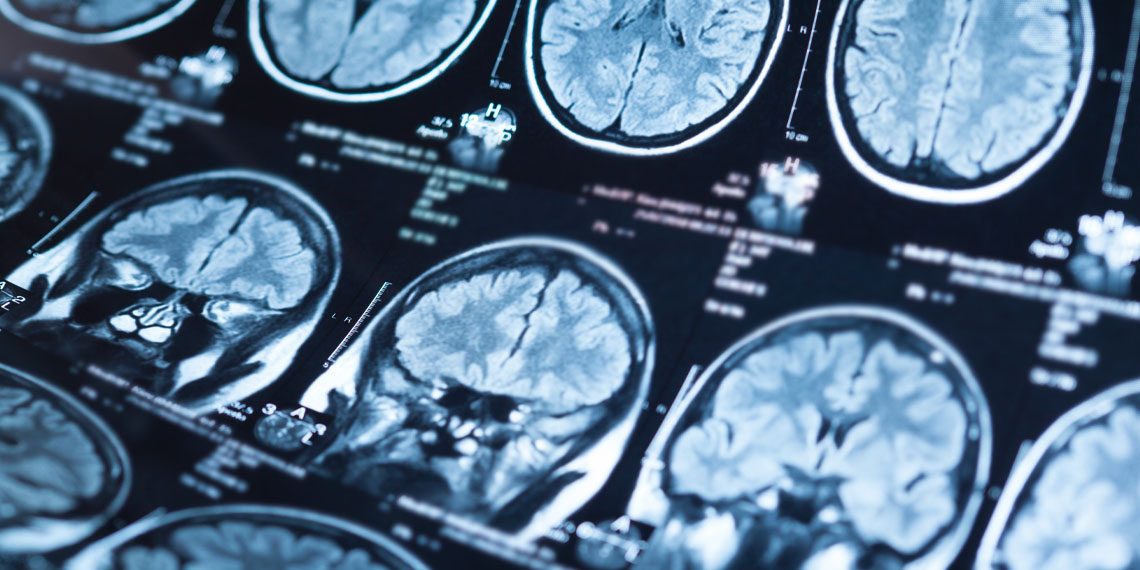
The brain scans provided evidence that supported these psychological survey results. When viewing negative images, poor sleepers showed much higher activity in the medial prefrontal cortex and the posterior cingulate cortex compared to good sleepers. These specific brain regions belong to a network that is highly active when people ruminate.
The scientists conducted a second study to verify their initial findings using a different measure of sleep. This second group included 102 different adults with alcohol use disorder. The researchers used the Insomnia Severity Index, a survey that assesses the severity of insomnia symptoms, such as difficulty falling asleep or staying asleep, over the past two weeks. Based on their responses, 47 people had no insomnia, 38 had subclinical or mild insomnia, and 17 had clinical insomnia.

As in the first study, the researchers found that worse sleep was directly linked to higher levels of negative emotions. Participants with clinical and mild insomnia reported significantly more negative emotionality than those without sleep problems. The researchers ensured that these results were as accurate as possible by controlling for the number of alcohol use disorder symptoms each person had.
In Grodin's words, “Our main finding was that negative emotional processing was uniquely impacted by sleep disturbance in people with an alcohol use disorder.” This suggests that people with alcohol use disorder and sleep problems have a harder time processing and responding to negative emotions. The study, titled “Sleep disturbance is associated with greater subjective and neural negative emotionality in people with alcohol use disorder,” was authored by Erica N. Grodin, Dylan E. Kirsch, Wave Ananda Baskerville, and Lara A. Ray. The researchers note that the research was observational and that further studies are needed to determine causality and explore specific treatments for sleep problems.
Editorial Note

This content has been synthesized and optimized by the Prometu editorial system to ensure clarity and neutrality. Based on: PsyPost