A Weight Loss Miracle for Addiction? Diabetes Drugs Could Be Key to Curbing the Opioid Crisis
Listen
Share
GLP-1 medications, known for their effectiveness in weight loss, are showing potential in helping individuals struggling with substance addiction, opening a new hope in the fight against the opioid crisis.
Before 2024, Sydney responded to every setback with drug use; her addiction began with marijuana at age 12 and escalated to alcohol and other drugs during college. This disrupted her life, friendships, and art career, leading her into a downward spiral. In 2024, she entered inpatient treatment at Caron Treatment Centers, where she joined a select group of patients using GLP-1 medications in their addiction treatments. There, she realized that the solution to every problem was drug use and her life became unmanageable.
GLP-1 medications, like Ozempic, have become popular for their help in weight loss since 2021, but research suggests they can also help people with substance use disorders stay clean longer. These medications interact with the brain's neural reward network, reducing cravings. Sydney, after five months of treatment and adding a GLP-1, noticed that the mental space dedicated to drugs and alcohol began to shrink, leading to a significant recovery.
GLP-1s stimulate insulin release, delaying stomach emptying and controlling appetite, leading to weight loss. These medications also impact the brain by interacting with the neural reward network, reducing cravings. Dr. Christian Hendershot, director of Clinical Research at the USC Institute for Addiction Science, explains that GLP-1s generate a brain-mediated satiety effect, reducing cravings in the reward centers. This contrasts with traditional treatments for substance use disorder, which often face stigmatization and low acceptance, making GLP-1s an attractive and more in-demand option among doctors and patients.
Dr. Adam Scioli, medical director at Caron Treatment Centers, observed a significant reduction in cravings in patients using GLP-1s, even at lower doses than those used for weight loss. Since then, they have treated 150 patients with GLP-1s for substance use disorders, with a large majority reporting significant reductions in cravings. Sydney had a similar experience, where the presence of drugs in her home, after leaving treatment, did not prompt her to relapse, which marked a spiritual moment in her recovery.
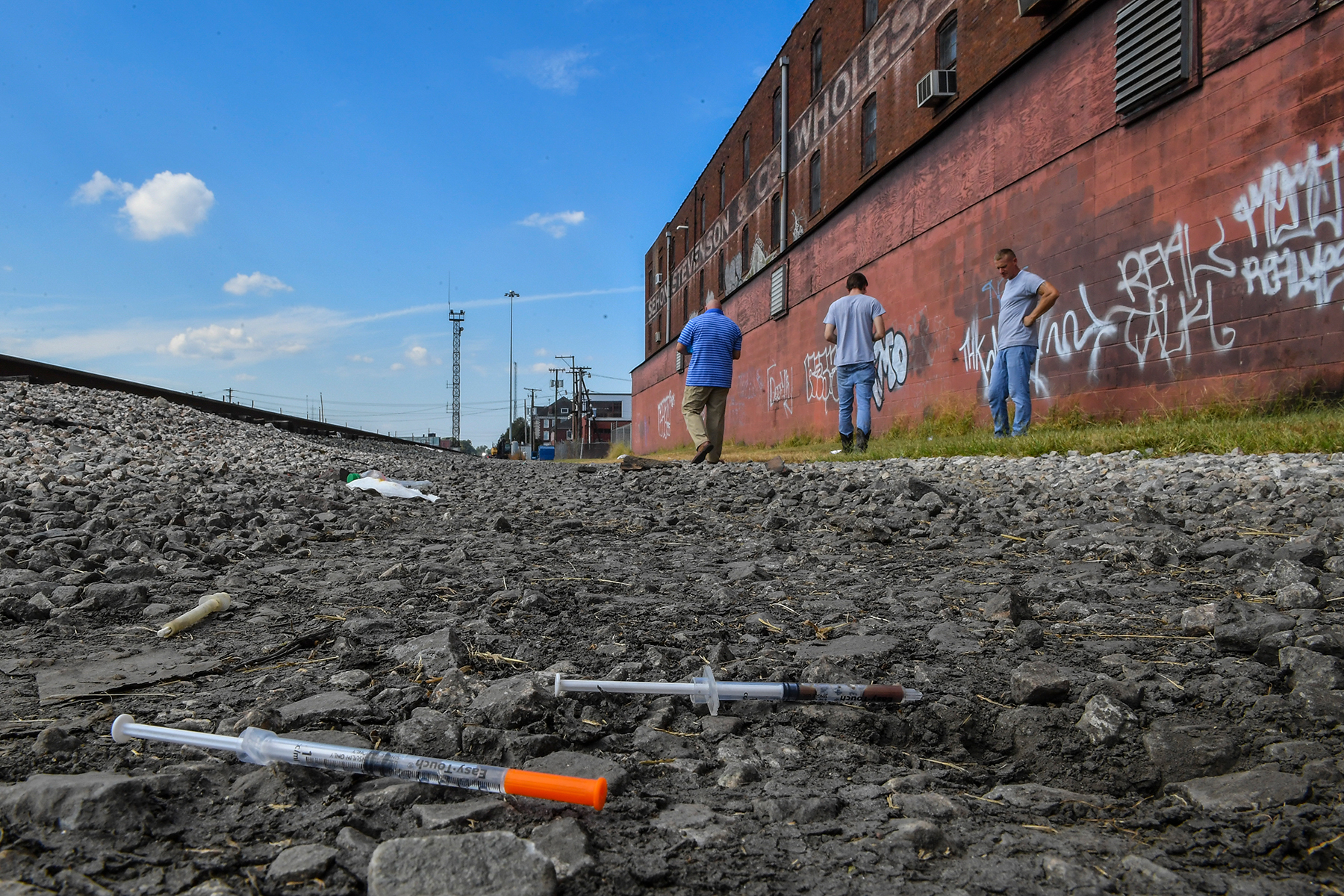
In 2023, a record number of drug-related deaths were recorded, with an average of 110,000 Americans dying annually from opioid overdoses. Although there have been declines in the number of overdose deaths in recent years, public health experts fear that these trends will not be maintained due to funding cuts and layoffs at the SAMHSA agency. Professor T. John Winhusen, from the University of Cincinnati, highlights that lack of access to treatment could increase overdose deaths. GLP-1 medications, being more accepted and in demand, could overcome some of the barriers of traditional treatments for substance use disorder, improving the chances of success.
Winhusen is leading one of the largest trials in the country using GLP-1s in combination with buprenorphine, with the aim of keeping patients in treatment for longer, as only half of patients complete treatment for more than six months. The goal is to prevent patients from having a “bad day” and ensure their continuity in treatment. Dr. Carolina Haass-Koffler, associate professor of Psychiatry at Brown, emphasizes the need for more clinical trials and caution due to primarily anecdotal information about GLP-1s.
Currently, the FDA has not approved GLP-1s for the specific treatment of substance use disorders, which forces doctors to prescribe them 'off-label'. This makes it difficult for insurance companies to approve them, which limits access to treatment for many people. Ongoing trials, such as those by Scioli and Winhusen, are essential to demonstrate the effectiveness of these treatments and mitigate concerns about potential long-term effects, such as bone density loss and gastrointestinal problems. A 2025 study from Washington University in St. Louis found links between prolonged GLP-1 use and pancreatitis, as well as kidney problems.
FDA approval is essential to ensure that people with substance use disorders have access to these promising treatments, as time is a critical factor in their recovery. Sydney, who continues to take a GLP-1, now paints every morning before her job, experiencing the satisfaction of creating art sober, a feeling that drugs cannot provide.
The success of GLP-1s in addiction treatment depends on ongoing research and regulatory approval. Long-term clinical trials are needed to fully understand the effects of these medications. Dr. Haass-Koffler stresses the importance of caution and the need to rely on solid scientific evidence. The lack of FDA approval and insurance coverage limits access to these promising treatments, which could negatively impact those who need them most.
Sydney's story illustrates the transformative potential of GLP-1s, which allowed her to find a new life without drugs. Her experience underscores the importance of research and access to effective treatments to combat the opioid crisis and other substance use disorders.