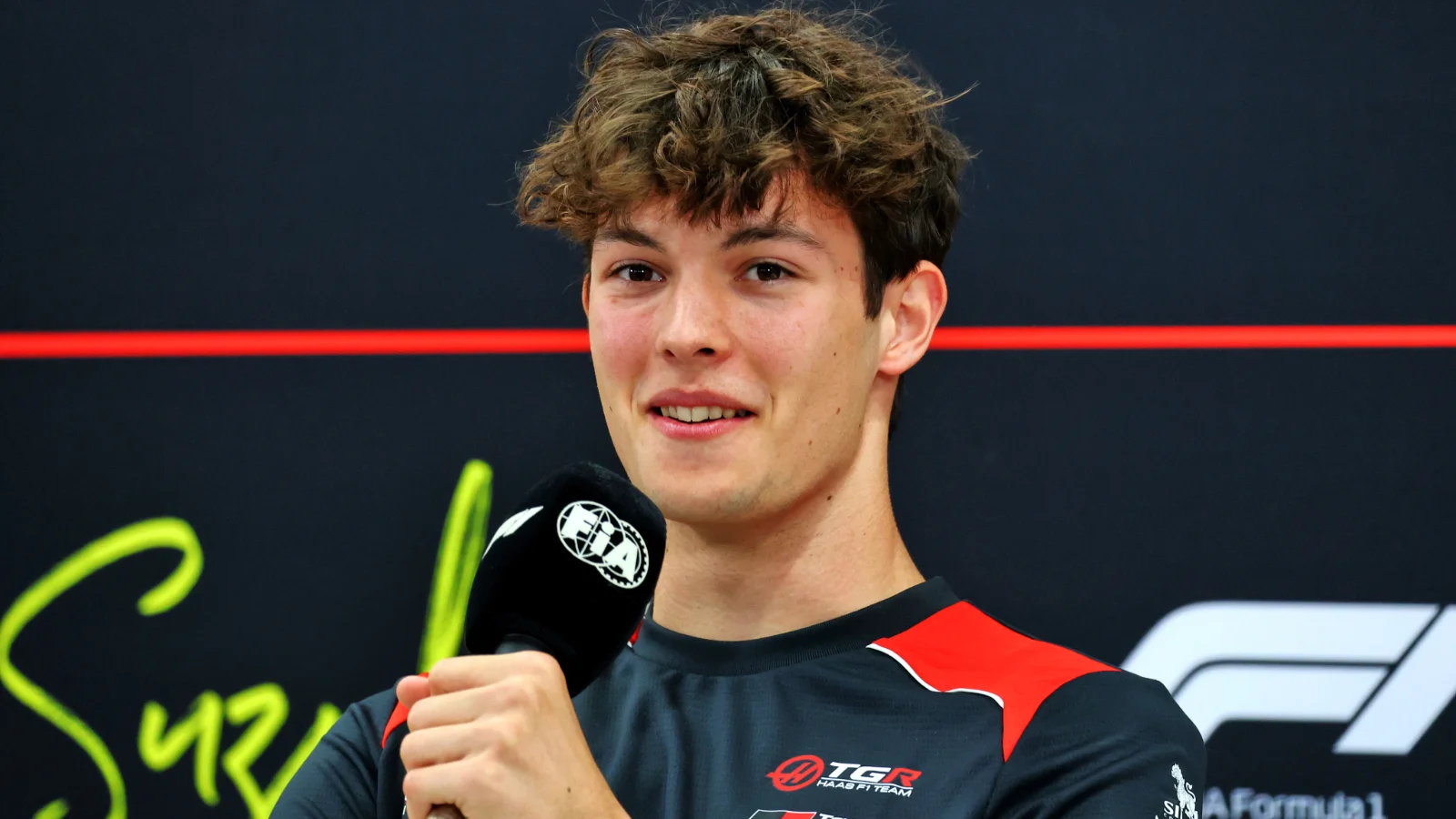
#F1#Oliver Bearman#Suzuka#FIA#Regulations#Japanese Grand Prix
The Fédération Internationale de l'Automobile (FIA) has implemented significant changes to the Formula 1 regulations for the Japanese Grand Prix in Suzuka. Specifically, the amount of energy cars can recharge during qualifying has been reduced, going from 9 MJ (megajoules) to 8 MJ. This decision, announced before the race weekend, seeks to maintain a balance between energy deployment and driver performance. The measure comes after debates about strategies in qualifying, where drivers complained that individual skill was overshadowed by the energy efficiency of the cars.
The modification aims to allow drivers to complete fast laps without worrying about lifting off the accelerator or 'superclipping'. However, these changes have not been positively received by everyone. Oliver Bearman, a Formula 1 driver, was one of those who expressed concern about the impact of these new rules on circuit performance.
Oliver Bearman, in statements to 'Motorsport Week' and other media, expressed his concern about the impact of the new regulations. The driver stated: “It's just making us even slower.” Although the need to 'lift-and-coast' is eliminated, the drivers still have to recharge the energy, losing one megajoule compared to what was simulated. This situation could affect the spectacle in Suzuka, a circuit known for its fast and demanding curves, such as the 'Esses'.
Bearman suggested that there might be better solutions, such as the possibility of harvesting energy at negative 350 kilowatts while accelerating fully. He also highlighted that the loss of downforce compared to the previous year could affect performance in key curves.
Despite his concerns, Bearman also acknowledged the FIA's efforts to improve the rules. He proposed alternative solutions, such as the possibility of harvesting energy more efficiently. The driver noted that although he is happy with the updates, there could be better ways to achieve the same goal. He was looking forward to seeing how the races unfold in Suzuka with the new energy restrictions.
Bearman admitted that the energy reduction could affect performance in key curves like Degner One, transforming them from grip-limited curves to power-limited curves. However, the driver remains optimistic and hopes that the races will be spectacular.
Suzuka is famous for its fast and challenging curves, including the 'Esses', which demand precision and concentration. Bearman fears that the new energy restrictions may diminish the spectacle, particularly in iconic curves such as Degner One and Spoon. The concern is that these curves, which previously depended on grip, could now be limited by power, which could reduce the excitement for viewers.
The driver also compared the situation to the previous year, noting the loss of downforce and its impact on performance. Despite these concerns, Bearman hopes that the races will remain exciting and that the new regulations will be a positive step towards the 2026 regulations.
The true effectiveness of the changes can only be determined during qualifying, but they are expected to be a positive step in the development of the 2026 regulations. Drivers and teams will have to adapt to the new energy restrictions and find the best strategy to maximize performance on the track. The FIA hopes that these changes will improve the spectacle and foster fairer competition between teams.
The reduction of energy in qualifying could force teams to further optimize their energy management strategies, which could lead to greater dynamism on the track. The expectation is that the drivers can give their best without being limited by energy restrictions, which could translate into more exciting races for fans.