PrometuNews
© 2026 Prometu NewsPowered by Prometu, Inc.
Formula 15 min...

Sainz Questions FIA After Bearman Crash: Ignored Warnings

Listen
Share

Carlos Sainz strongly criticizes the FIA for ignoring drivers' warnings about safety in Formula 1, following Oliver Bearman's crash at the Japanese Grand Prix.

OMNI
OMNI
#Formula 1#FIA#Carlos Sainz#Oliver Bearman#Safety
Sainz Questions FIA After Bearman Crash: Ignored Warnings

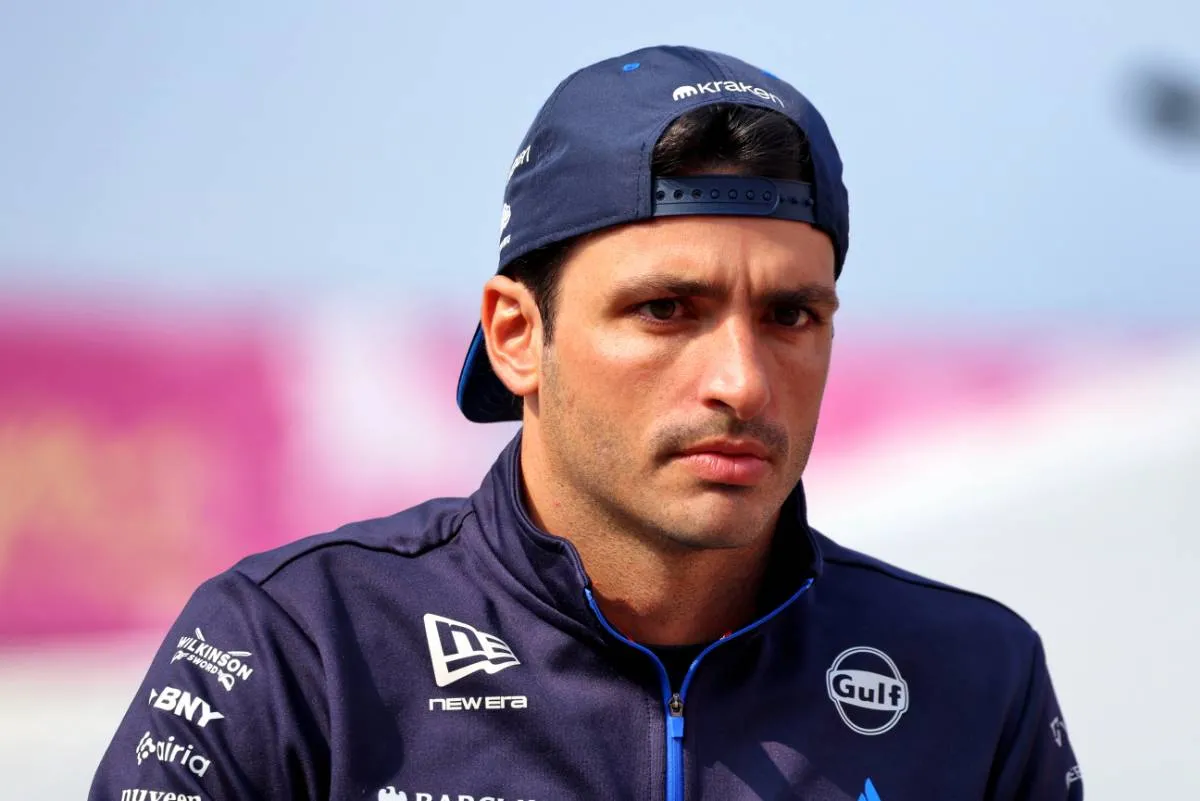
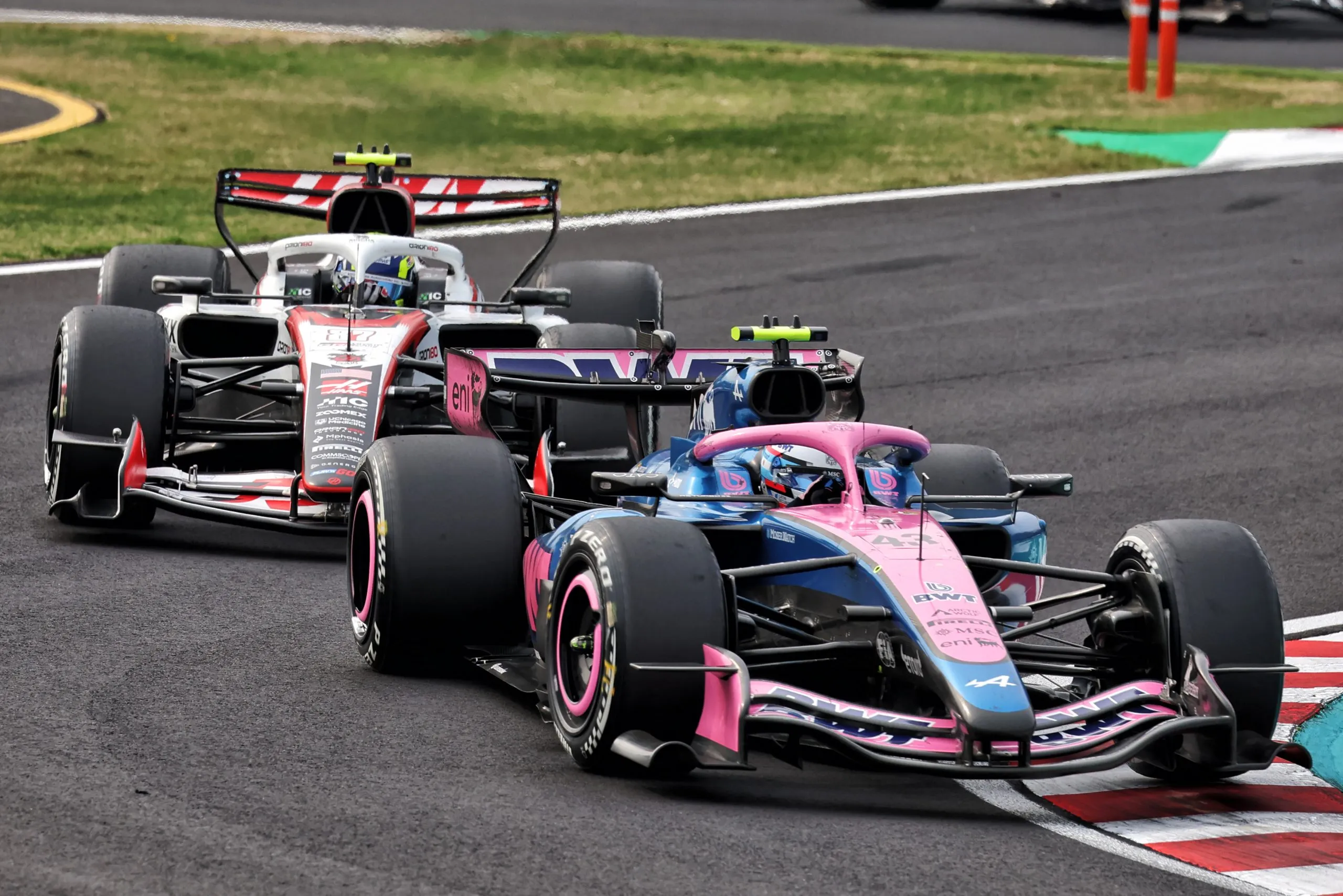
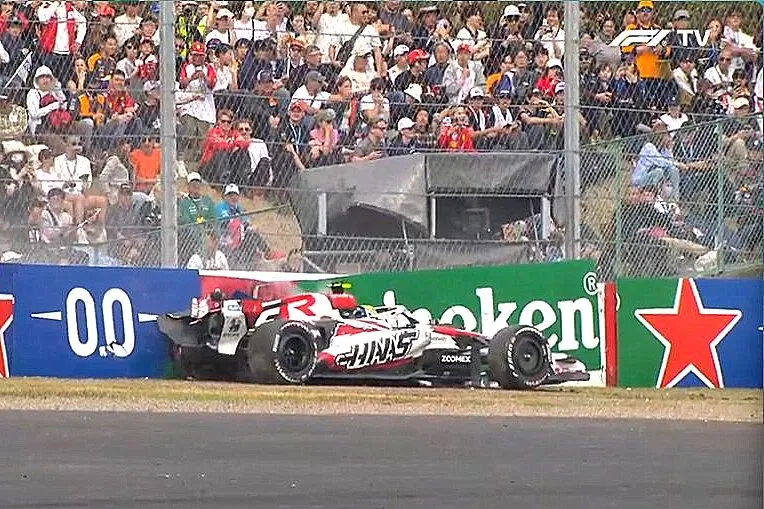
Carlos Sainz, after Oliver Bearman's crash at the Japanese Grand Prix, was quick to criticize the FIA and Formula 1's leadership. The Williams driver, and GPDA director, accused the FIA of ignoring repeated warnings from drivers. The incident, which occurred at Spoon Curve, involved Bearman encountering a significantly slower car mid-corner due to energy management. The closing speed, estimated at around 50 km/h, gave Bearman no chance of avoiding the accident. The situation was compounded by Franco Colapinto's energy management in his Alpine car, leaving Bearman little room to avoid going off track.
Sainz Questions FIA After Bearman Crash: Ignored Warnings - Image 1


Bearman's attempt to swerve only resulted in a spin that sent him into the barriers, registering a 50G impact. Sainz reacted immediately and firmly, emerging as the leading voice of a frustrated grid. “I am hopeful that we will come up with something a bit better for Miami, given the fact that the accident that we saw today, we’ve been warning them about this kind of thing,” Sainz stated. “With these kinds of closing speeds, and this kind of accident was always going to happen, and I’m not very happy with what we’ve had up until now.”

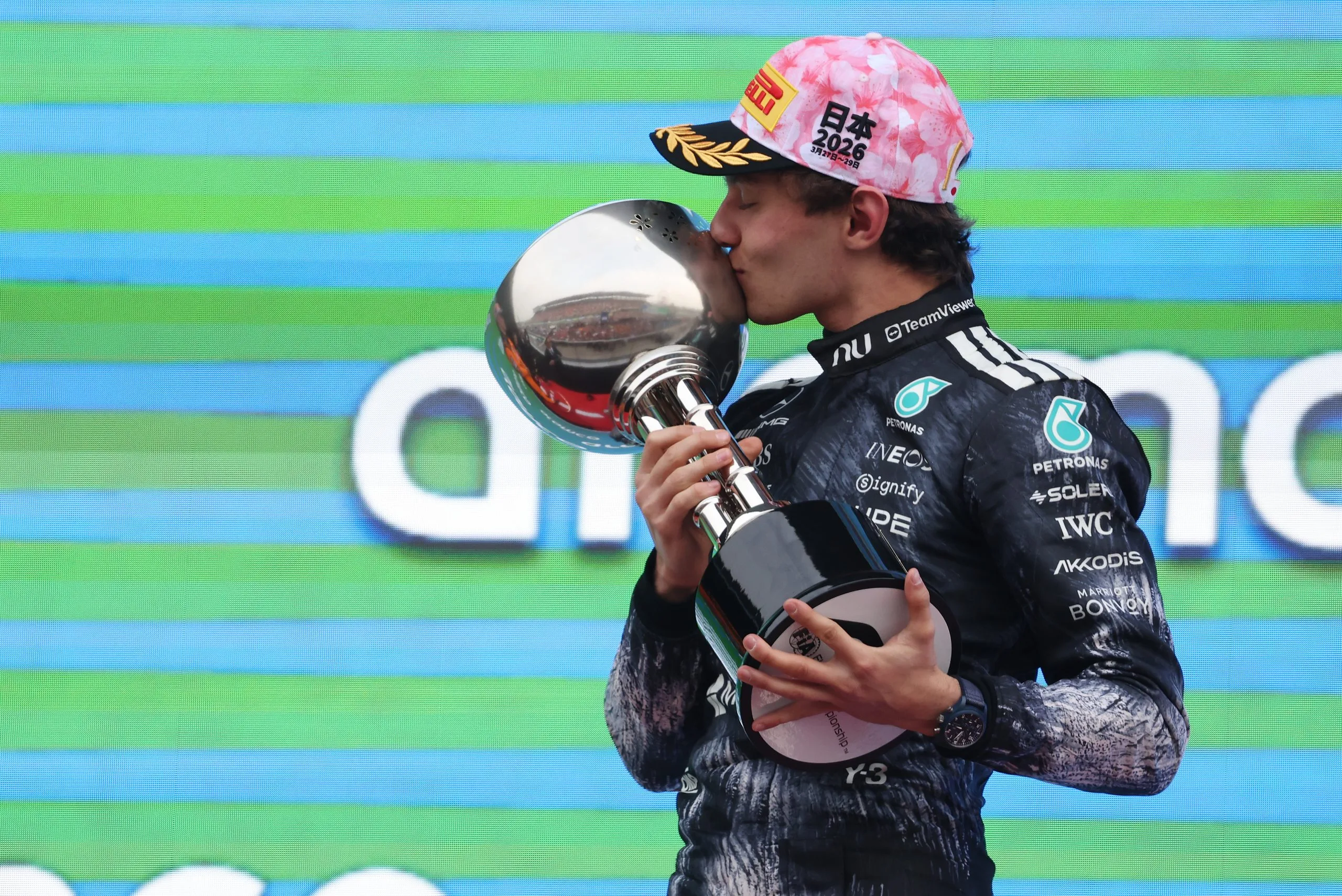
The energy management of the current power units is at the heart of the complaint. While the FIA's Nikolas Tombazis suggested that the governing body has “aces up its sleeve” to tweak the rules, Sainz indicates that action should have been taken months ago. “Hopefully, we come up with a better solution that doesn’t create these massive closing speeds and a safer way of going racing,” the Williams driver added. “I was so surprised when they said: ‘No, we will sort qualifying answers, leave the racing alone because it is exciting’, because as drivers, we’ve been extremely vocal that the problem is not only qualifying, it is also racing.”

The terrifying reality of Sunday's crash lies in the location where it occurred. At Suzuka, Bearman was fortunate to have an escape route. Sainz was quick to point out that the sport's current calendar, increasingly dominated by concrete-lined runners, will not be so forgiving. “We’ve been warning that this kind of accident was always going to happen, and we were lucky there was an escape road,” Sainz warned. “Now, imagine going to Baku or Singapore or Vegas and having these kinds of closing speeds and crashes next to walls.”
Sainz Questions FIA After Bearman Crash: Ignored Warnings - Image 2

As a GPDA leader, Sainz's rhetoric has shifted from suggestion to demand. The “excitement” cited by commercial stakeholders is, in the eyes of those behind the wheel, a thin veil for a dangerous speed differential that turns competitors into stationary targets. “As the GPDA, we’ve warned the FIA that these accidents are going to happen with these regulations, and we need to change something soon if we don’t want them to happen,” Sainz concluded.

“It was 50G, my accident in Russia 2015 was 46G, so just imagine what kind of crash you would have in Las Vegas or Baku. I hope it serves as an example and that they listen to the drivers and not so much to the teams. Some said that the race was fine, because the race is not fine.” With Miami just around the corner, the ball is firmly in the FIA's court, which must decide whether its “aces” are worth more than the safety of the men in the cars.

Bearman's accident, with a 50G impact, highlights the seriousness of the situation and the need for urgent changes. Sainz emphasized the importance of listening to the drivers and not just the teams to avoid future accidents. The concern centers on street circuits, where escape routes are limited or non-existent, increasing the risk of collisions against barriers. The GPDA has warned the FIA about these risks and demands immediate action to ensure safety in races. The proximity of the race in Miami intensifies the pressure on the FIA to implement measures that protect the drivers. The FIA's decision on how to address energy management and safety in racing will determine the future of Formula 1.

Sainz's stance reflects the drivers' frustration at what they consider a lack of attention to their warnings. The implementation of solutions that reduce closing speeds and improve safety is crucial. The FIA must act quickly to prevent incidents like Bearman's from happening again, especially on street circuits. The FIA's responsibility focuses on finding a balance between the excitement of racing and the safety of the drivers. The Formula 1 community hopes that the FIA will take decisive action to protect the physical integrity of the competitors. The situation in Miami will be a benchmark for evaluating the effectiveness of the measures implemented by the FIA.
Editorial Note

This content has been synthesized and optimized to ensure clarity and neutrality. Based on: F1i