PrometuNews
© 2026 Prometu NewsPowered by Prometu, Inc.
Formula 13 min...

Hadjar Reveals Critical Failure at Suzuka: Beyond the Rivalry

Listen
Share

Isack Hadjar reveals that the real problem at the Japanese Grand Prix was the loss of performance of his car, overshadowing any conflict with Arvid Lindblad.

OMNI
OMNI
#Formula 1#Hadjar#Red Bull#Suzuka#Racing
Hadjar Reveals Critical Failure at Suzuka: Beyond the Rivalry

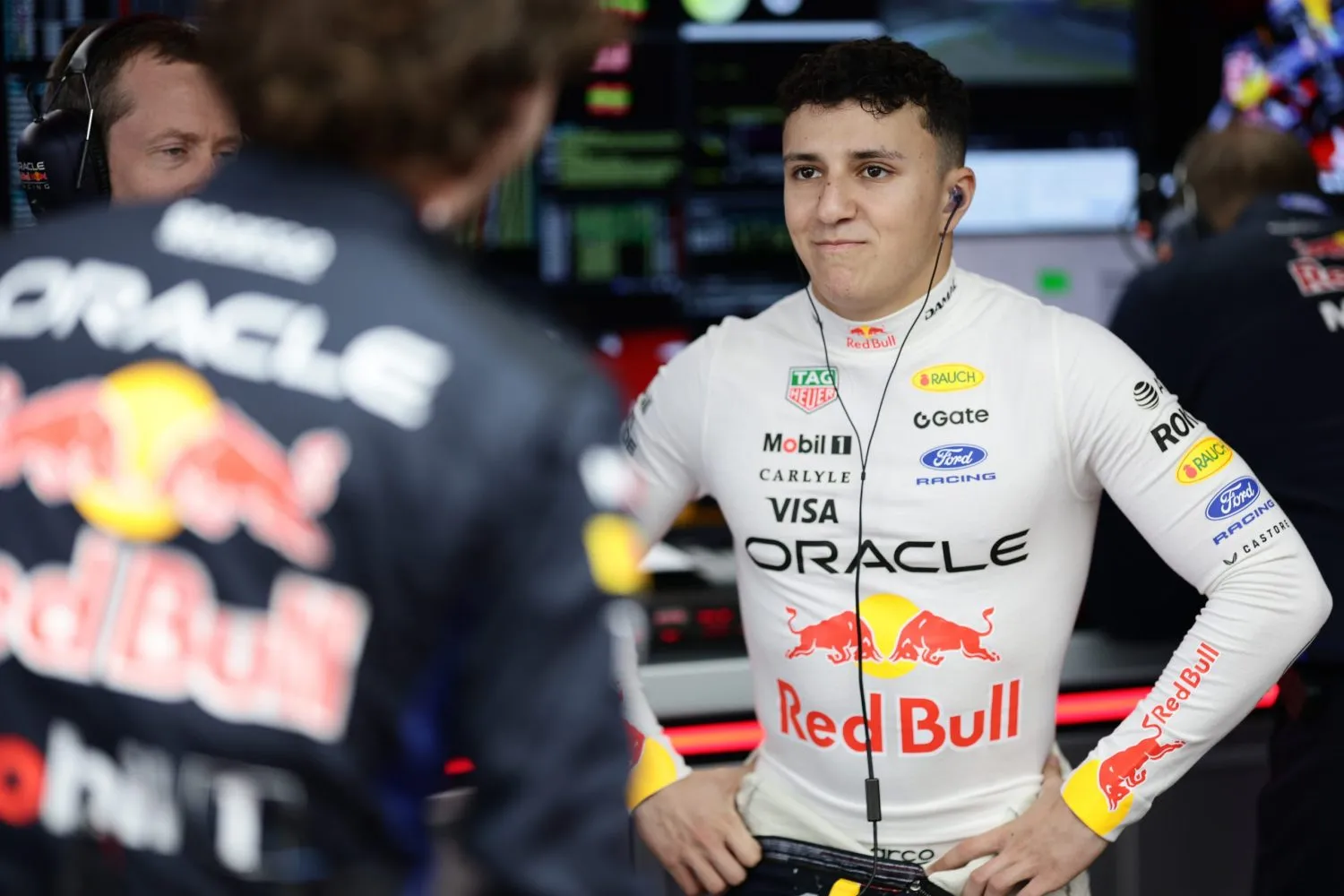
Isack Hadjar didn’t hold back over team radio during the Japanese Grand Prix at Suzuka, but at the end of the race, the French driver made it clear that his anger towards Arvid Lindblad was insignificant compared to a much more serious problem: a car that completely failed him.

In fact, the fireworks between the two young Red Bull talents were little more than background noise compared to a deeper and crippling issue, a car that simply abandoned him.
Hadjar Reveals Critical Failure at Suzuka: Beyond the Rivalry - Image 1
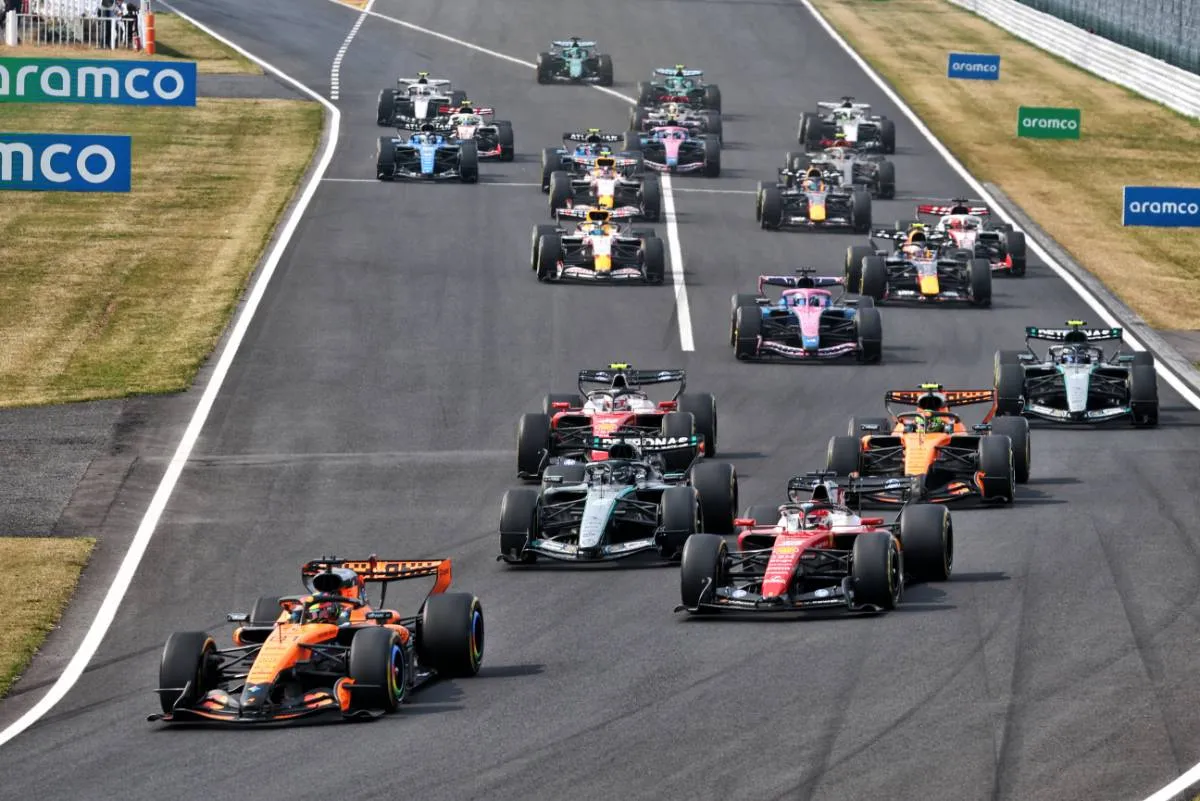
Hadjar, who started eighth, quickly lost positions, yielding to Lindblad, then to Max Verstappen and Esteban Ocon in the opening laps.

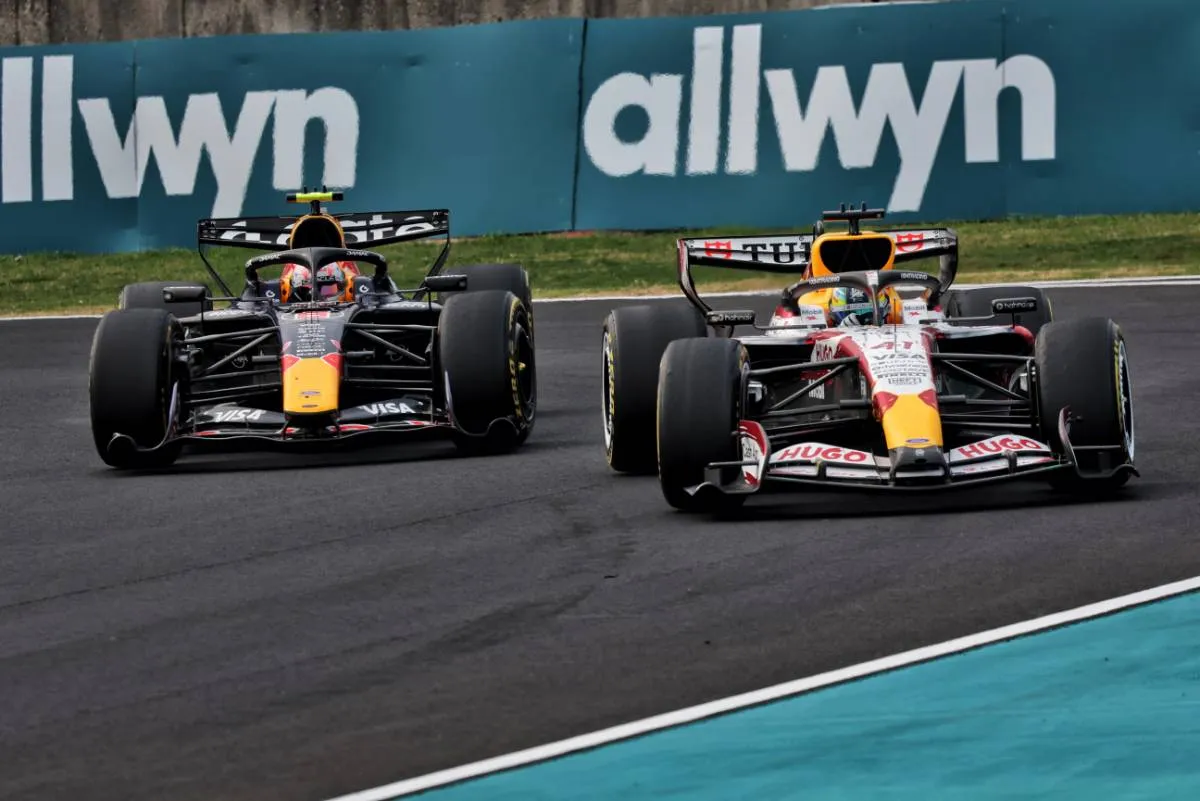
What followed was a tense, drawn-out battle with Lindblad, complete with aggressive defending and a warning flag shown to the latter for moving under braking. Hadjar's irritation spilled onto the radio in real time.

However, afterwards, he brushed it off almost dismissively. “This isn’t even one percent of how bad this race was,” he said. “It’s no big deal. We just need to understand why that battery situation [was happening], and so early.” For Hadjar, the real story wasn’t the driver ahead, but the sudden disappearance of performance under his control.

Before everything unraveled, Hadjar believed he was exactly where he needed to be. Battling in eighth, with Pierre Gasly within reach, the race was unfolding as planned, until it wasn't. “Because I was comfortable in eighth, the plan was to fight Pierre [Gasly], which we were doing. And it all faded away with an empty battery, and then you just have no power.”

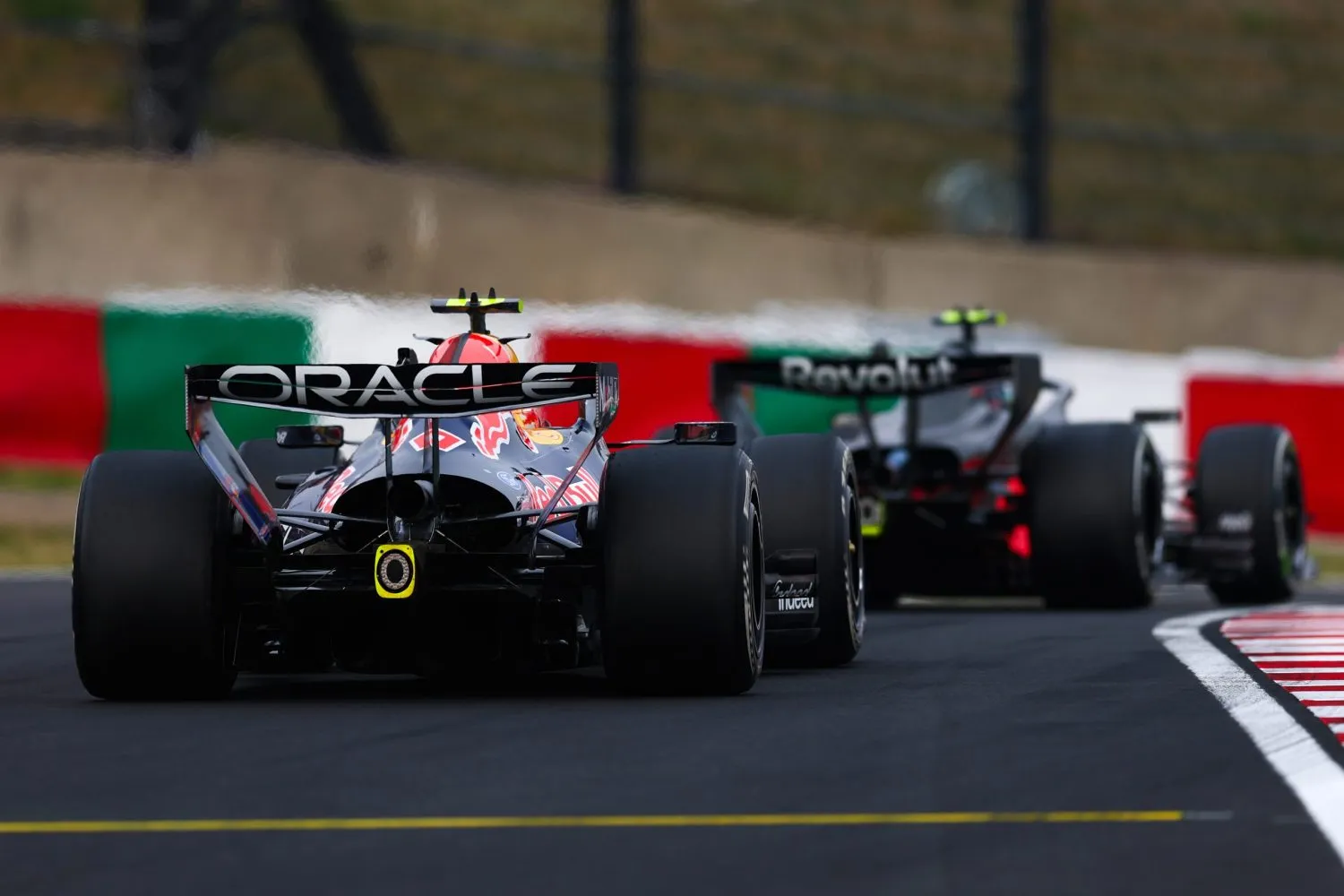
With battery deployment issues striking early, Hadjar’s RB22 effectively became a sitting duck, stripped of the electrical boost that defines modern Formula 1 performance.
Hadjar Reveals Critical Failure at Suzuka: Beyond the Rivalry - Image 2
By the time he recovered, the race—and any chance of points—had already slipped away.

Pressed further on his clash with Lindblad, Hadjar offered a more measured take, hinting at the internal politics of Red Bull’s young driver pipeline. “You can understand. He lets Max through, he defends against me. So it just makes sense for him, you know? But yeah, that was not very useful for both of us. It’s okay. He’s young,” he explained.

It was a subtle jab wrapped in reluctant acceptance. The implication was clear: Lindblad knew exactly who he was racing, and who he wasn’t.

Despite Suzuka marking the first race of the season where both Red Bulls saw the chequered flag, Hadjar found little comfort in the statistic. “The only positive right now is that I can drive the car fast – but we have no lead on how we can make the fast now,” he said.

“We have a good power unit, the engine is good, everything. It’s just the chassis side is terrible. Just slow in the corners.” It’s a damning assessment—one that cuts deeper than any on-track spat. Hadjar may have shown flashes of pace, and even glimpses of composure after a heated battle, but his verdict on the RB package was unequivocal: speed exists, but only in theory.
Editorial Note

This content has been synthesized and optimized to ensure clarity and neutrality. Based on: F1i