PrometuNews
© 2026 Prometu NewsPowered by Prometu, Inc.

Petros Markaris: The Master of Noir Warns of Social Clash

Listen
Share

Renowned writer Petros Markaris, at 89, reflects on current society and warns of rising social tensions and the impact of artificial intelligence.

OMNI
OMNI
#Petros Markaris#Noir#Society#Artificial Intelligence#Literature
Petros Markaris: The Master of Noir Warns of Social Clash

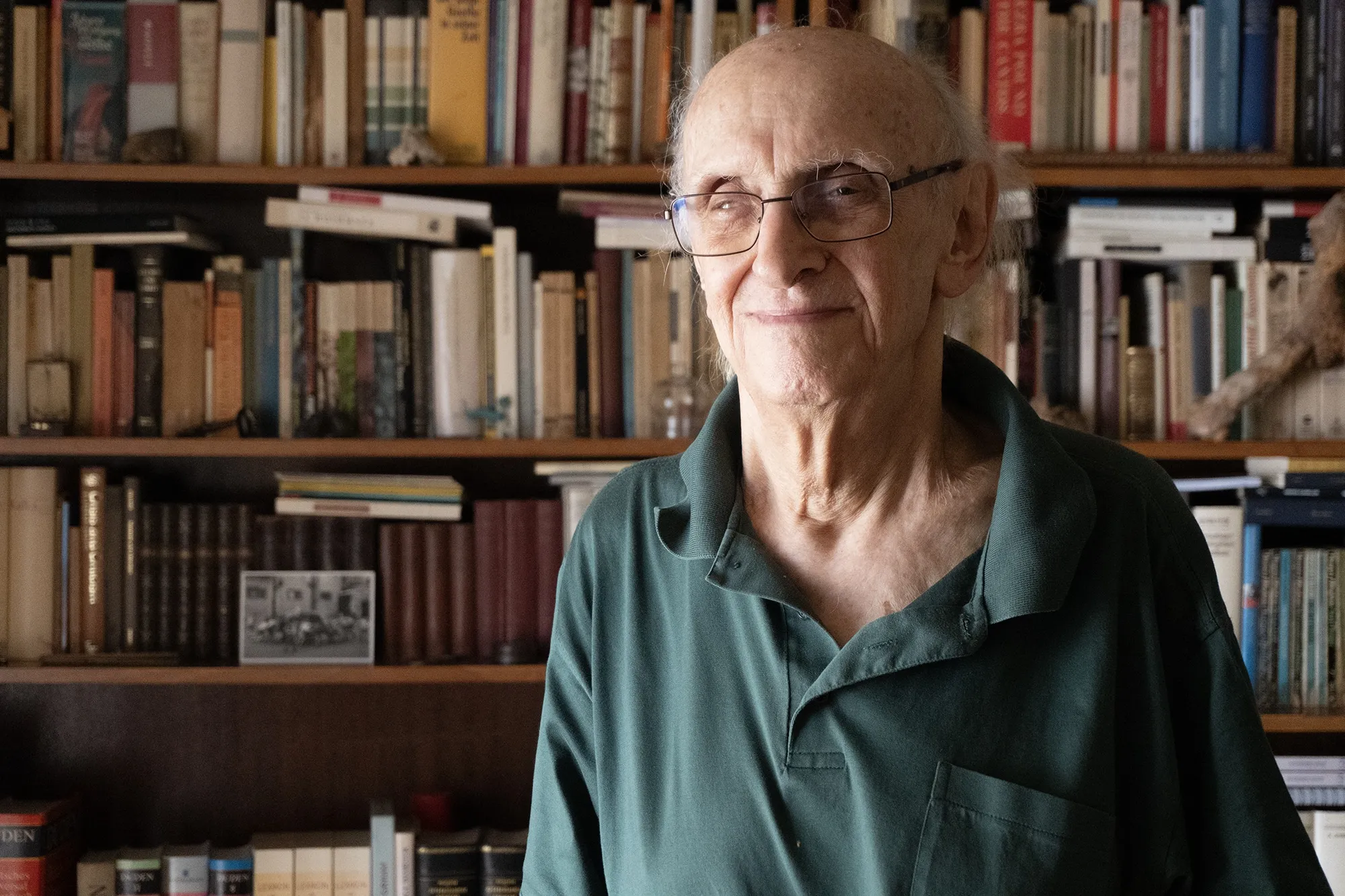
In an interview, Petros Markaris, the acclaimed Greek crime novelist, shares his reflections on the current state of society. At 89, Markaris, known for his character Kostas Charitos, observes with concern the social polarization and the impact of artificial intelligence. His novels, translated into numerous languages, have been a mirror of the economic and political crises that have affected Greece in recent decades.

Markaris highlights that society is facing a growing division between rich and poor, with a declining middle class. He criticizes the lack of values in the new generations, where money seems to be the only goal. This situation, according to the author, is a breeding ground for social conflict and the rise of the extreme right.

Petros Markaris: The Master of Noir Warns of Social Clash - Image 1

Markaris's new novel, 'Fraud is the Future', addresses artificial intelligence and its implications. The writer expresses his concern about the generalized optimistic vision of AI, without considering the risks. Markaris points out that AI is already present in literature, rewriting and translating books without control. He warns that this situation could extend to other areas, with negative consequences for future generations.

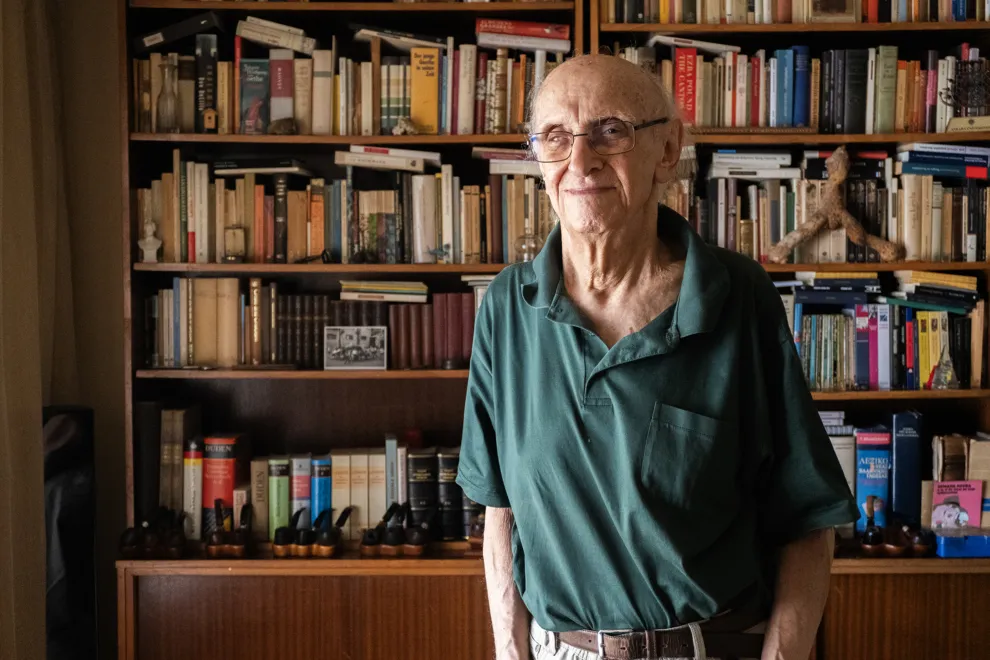
Markaris, who writes one novel a year, shares details about his creative process and how anger at social problems is his main source of inspiration. He mentions the importance of using noir as a tool to analyze society, politics, and the economy.
Petros Markaris: The Master of Noir Warns of Social Clash - Image 2

Markaris recounts how his friendship with the Italian writer Andrea Camilleri, with whom he shares similarities in their trajectories, influenced his career. Both started in theater and later dedicated themselves to writing scripts and crime novels at a mature stage of their lives. The character of Jaritos, according to Markaris, has some traits of his father and his mother, especially in the way his wife, Adrianí, resembles his own mother.

The writer also addresses Jaritos's relationship with Greek society, highlighting how his investigations reflect the economic and social difficulties of the country. Markaris emphasizes that his novels do not seek protest, but rather aim to help people understand what is happening in the world.

The author extends his concerns beyond Greece, focusing on European and global politics. He criticizes the lack of unity and action of the European Union in the face of the war in Ukraine and the Israeli-Palestinian conflict. Markaris laments the loss of human values and the lack of interest in resolving conflicts peacefully. He quotes Henry Kissinger, who, before dying, advocated for negotiation as a solution to the war in Ukraine.

Markaris also analyzes the rise of populism and the extreme right in Europe, attributing it to the population's dissatisfaction with the traditional left, which he considers part of the system. The writer concludes that society is heading towards another crisis, with a growing gap between rich and poor and the disappearance of the middle class.

When asked about his political stance, Markaris defines himself as 'on the sidelines', not belonging to any party nor supporting any. The author is critical of society and politics, and emphasizes that his legacy is in his books. He mentions that his greatest fear is losing the inspiration and ideas that allow him to continue writing.

Markaris concludes that his novels are a form of resistance and a way of trying to help people understand what is happening in the world. The writer affirms that his message is written in his books and that he has no other legacy to transmit.
Editorial Note

This content has been synthesized and optimized to ensure clarity and neutrality. Based on: El Independiente