Prometu News LogoNews
© 2026 Prometu NewsPowered by Prometu, Inc.

LPR: The Iconic New York Club Defying Crises and Music Trends

Listen
Share

Le Poisson Rouge (LPR), a landmark club in Greenwich Village, celebrates nearly two decades of musical innovation, overcoming recessions and pandemics.

OMNI
OMNI
#LPR#music#club#New York#concerts
LPR: The Iconic New York Club Defying Crises and Music Trends

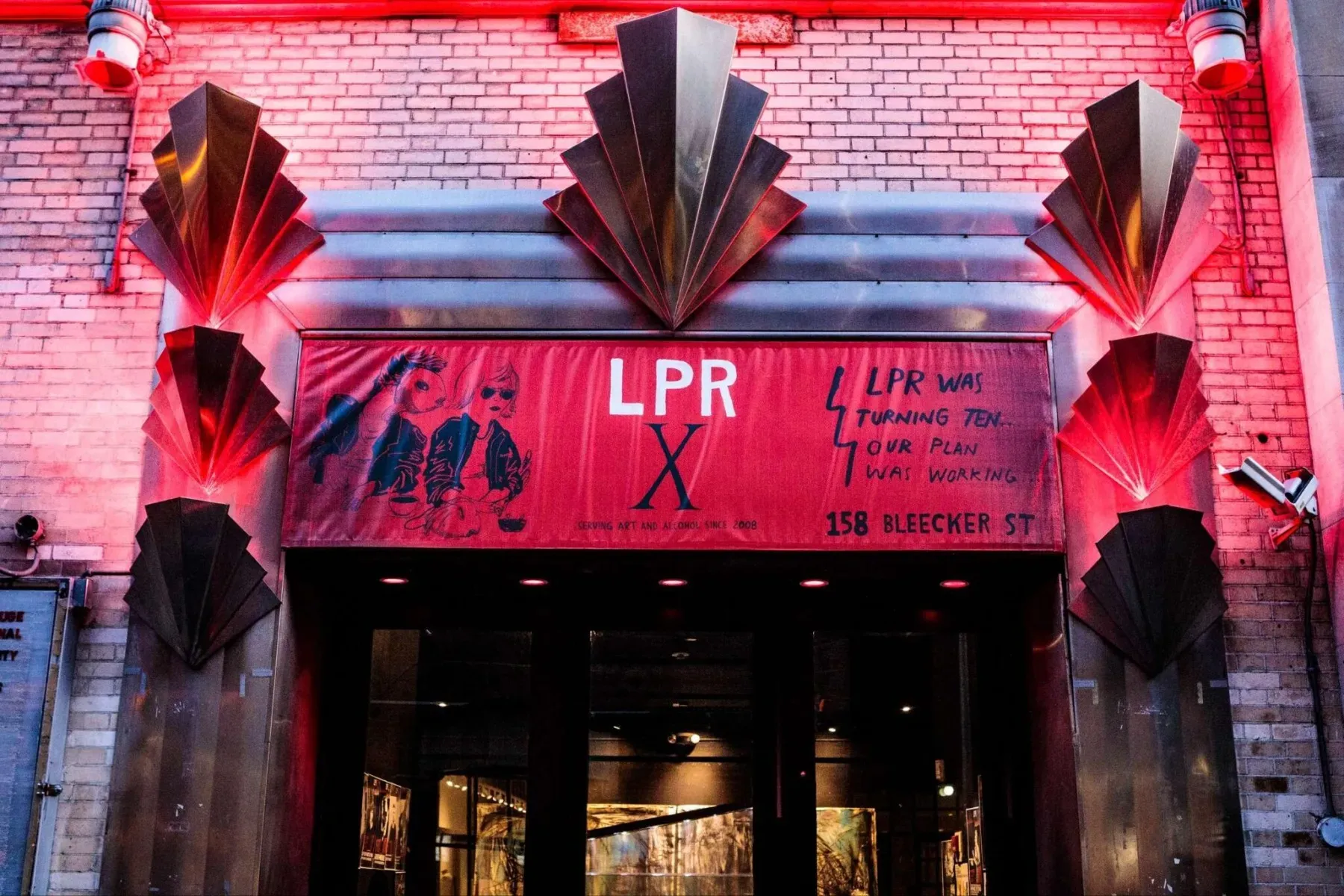
David Handler and Justin Kantor founded Le Poisson Rouge (LPR) in 2008, at the height of the Great Recession, demonstrating remarkable audacity. The club, located in Greenwich Village, quickly became a vital space for artists of diverse genres and audiences. The venue opened in June 2008, coinciding with the JVC Jazz Festival, with an exclusive DJ set by Vampire Weekend.

LPR, designed by the acclaimed John Storyk, who also designed Jimi Hendrix's famed Electric Lady Studios, is distinguished by its exceptional acoustics and its commitment to sound quality. Despite economic and social challenges, the club has persisted, adapting and evolving to maintain its relevance in the New York music scene.
LPR: The Iconic New York Club Defying Crises and Music Trends - Image 1

Since its opening, LPR has been a magnet for renowned artists and emerging talents. It has been the stage for performances by iconic figures such as Simone Dinnerstein, Mos Def, and Dean & Britta, as well as rising stars like PinkPantheress, Olivia Dean, Noname, and Lorde, who had her first New York show at this venue. The club has gained a reputation for offering unique experiences, including Boiler Room EDM shows, and has been chosen for intimate performances by artists such as Lady Gaga and Skrillex, Four Tet, and Fred again..

LPR has proven to be a flexible and adaptable space, capable of hosting a wide range of events, from classical concerts to avant-garde shows. The club's ability to reinvent itself and its commitment to innovation have made it a benchmark in the New York music scene.


The building that currently houses LPR has a rich musical history. Before becoming LPR, it was home to the Village Gate, a club founded in 1958 that hosted jazz legends such as Billie Holiday, Miles Davis, and Thelonious Monk. The Village Gate was also a meeting point for artists like Janis Joplin, Jim Morrison, and Jimi Hendrix, solidifying its status as an emblematic place for live music.

Art D’Lugoff, the owner of the Village Gate, was an influential figure in the music scene. His legacy continues to live on in the spirit of LPR, which seeks to honor the neighborhood's musical tradition and offer a platform for creativity and innovation.

Despite economic challenges and changing musical trends, LPR has managed to stay relevant through adaptation and innovation. The club offers a diverse and eclectic program, including concerts, electronic music events, and experimental shows. In addition, LPR has implemented innovative strategies, such as late-night events and collaborations with technology platforms like KYD Labs to improve the fan experience and optimize its operations.

LPR's commitment to artistic excellence and its ability to reinvent itself have made it a model for other independent music venues. With around 400 shows a year and its promotional arm, LPR Presents, the club continues to expand its reach and offer unforgettable musical experiences.

Beyond being a simple venue, LPR has built a vibrant musical community. They offer their own orchestra, Ensemble LPR, and have a permanent 360-degree sound and lighting rig, allowing for immersive performances. The club has also demonstrated its ability to adapt to the needs of artists, such as when they helped Mumford & Sons put on a phone-free show.

The combination of its commitment to innovation, artistic quality, and constant adaptation has consolidated LPR's legacy. Its impact on the New York music scene and its influence on popular culture are undeniable, and its history is a testament to perseverance and passion for music.
Editorial Note

This content has been synthesized and optimized to ensure clarity and neutrality. Based on: Billboard