PrometuNews
© 2026 Prometu NewsPowered by Prometu, Inc.

Electronic Dance Music Events Boost Mental Health for Women Over 40

Listen
Share

A study reveals that women over 40 find in electronic music a space for emotional well-being and social connection, challenging societal expectations about age.

OMNI
OMNI
#electronic music#mental health#women#leisure#study
Electronic Dance Music Events Boost Mental Health for Women Over 40

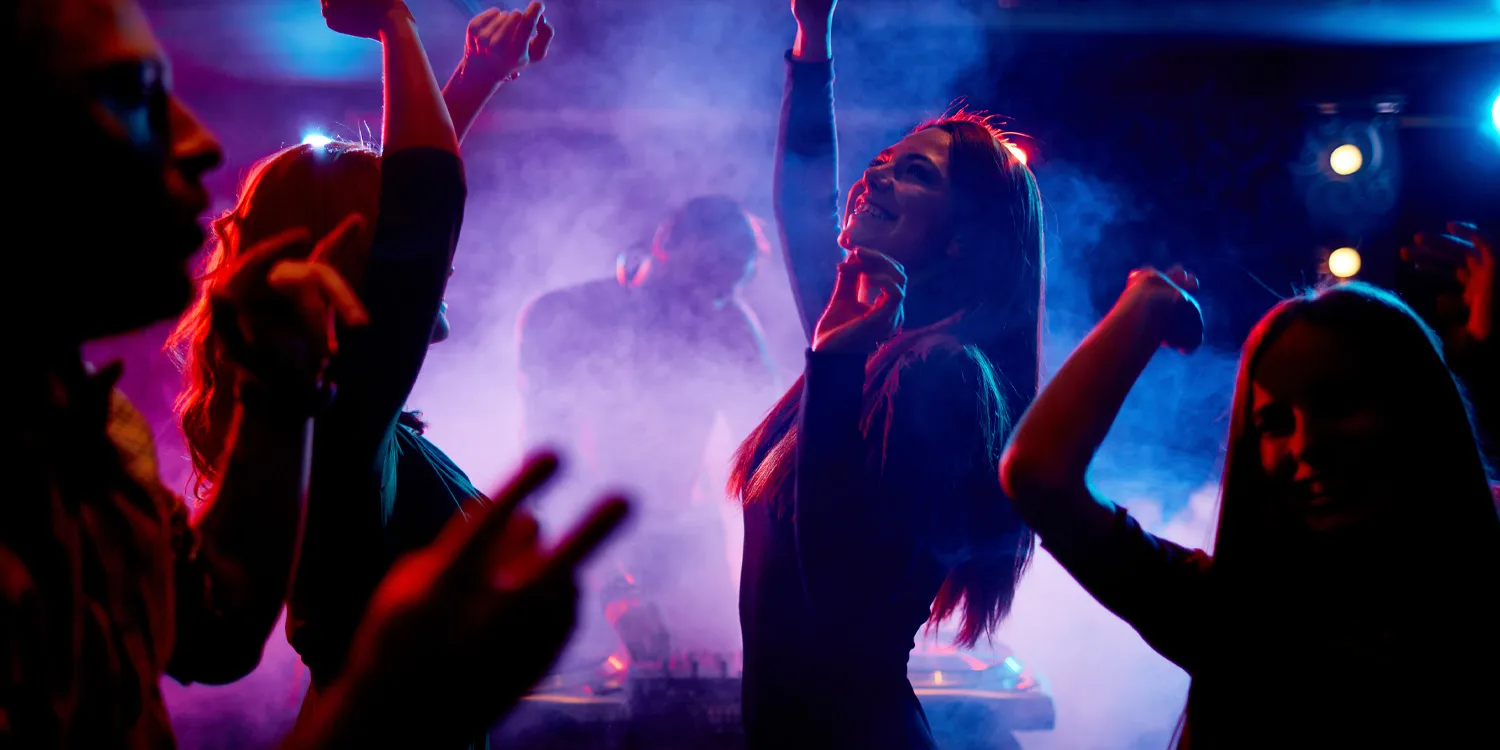
Participation in electronic music events, characterized by repetitive beats and synthesized sounds, offers a significant benefit to the mental health of women over 40.

The study, led by Alinka Greasley from the University of Leeds along with Alice O’Grady and Shauna Stapleton, highlights how these women find in the scene a space for emotional well-being, socialization, and self-expression.

The culture of electronic music, rooted since the late 1980s, has matured, but the club environment is often associated with youth, posing challenges for older women.

The research was based on an online survey where 136 female clubbers aged between 40 and 65 were recruited, most of them in their forties.

The main motivation for attending these events was the music, followed by socializing with friends and the opportunity to meet new people.

The study highlighted how these events contribute positively to overall well-being, providing a space to relieve stress and recharge.

In addition to emotional release, these events serve as a primary source of physical exercise for some attendees.

Electronic music, with its marked rhythm, encourages constant movement.

Participants described the experience as a space to connect with themselves, feeling at home in these events, and valuing the generational connection that music provides.

More than 90% of the women felt that they belonged to these events, highlighting the connection that transcends generations.

One participant expressed: “There is a connection with the people around you through dance, the bass, the rhythm, and a warmth of empathic body language that emanates that sense of belonging.”

The participants described the absence of these events as detrimental to their mental health, feeling lethargic, depressed and disconnected.

About a fifth of the respondents felt visible and out of place because of their age, and some worried about their appearance.

Participants prioritized comfort, wearing appropriate footwear to dance for hours, and often used fashion as a form of self-expression, either with flamboyant outfits or casual clothes to fit in.

Almost half of the women reported unwanted physical contact at clubs, and 28% received unwanted attention, so they developed safety strategies, such as attending alternative events and seeking support from friends and security staff.

To maintain their hobby, the women reduced the frequency of their outings and planned their recovery time.

Many moderated their consumption of alcohol and other substances.

They recognized the need to prioritize sleep and health to continue participating in the events they loved.
Editorial Note

This content has been synthesized and optimized to ensure clarity and neutrality. Based on: PsyPost