PrometuNews
© 2026 Prometu NewsPowered by Prometu, Inc.

Benita Castejón: Identity, Transition, and Television in a RTVE Documentary

Listen
Share

Benita Castejón, formerly known as Maestro Joao, explores her life and transition in a new documentary for RTVE.

OMNI
OMNI
#Benita Castejón#Maestro Joao#RTVE#Documentary#Transgender#Television
Benita Castejón: Identity, Transition, and Television in a RTVE Documentary

Life takes unexpected turns, and Benita Castejón, formerly known as Maestro Joao, is a prime example of this.

Now, she is preparing for the premiere of a documentary on RTVE, produced by Zeppelin, the same production company that worked with her on 'Baila como puedas' (La 1), where she announced her gender transition, and on 'Gran Hermano VIP' (Telecinco). Maestro Joao rose to fame on 'Supervivientes 2018', and now, she participates in 'Top chef: dulces y famosos' (La 1).
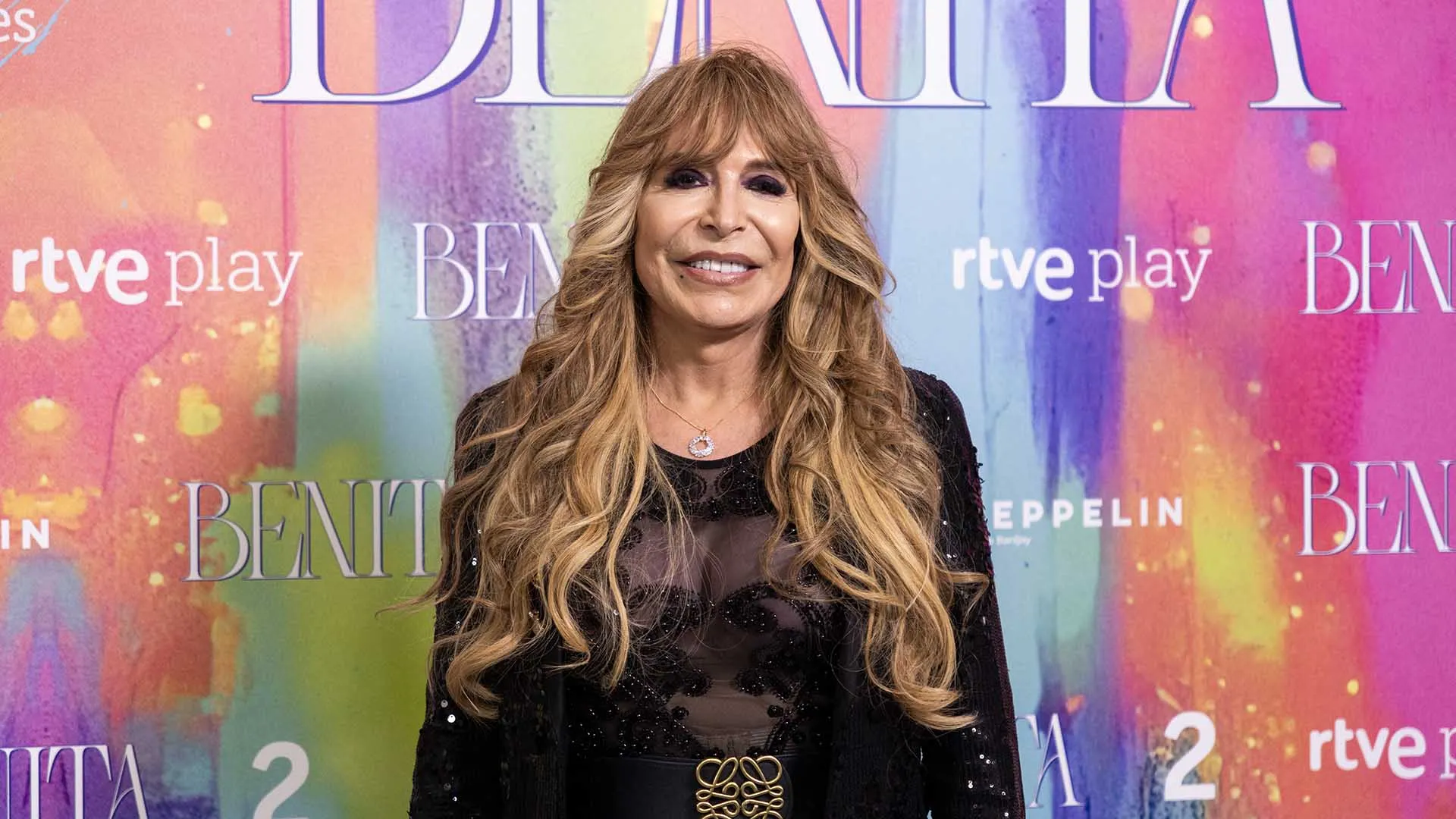
Benita Castejón: Identity, Transition, and Television in a RTVE Documentary - Image 1
The documentary's presentation was attended by relevant figures from the sociopolitical-television scene, including the Minister of Equality Ana Redondo and the Secretary of LGTBI Policies of the PSOE Víctor Gutiérrez.


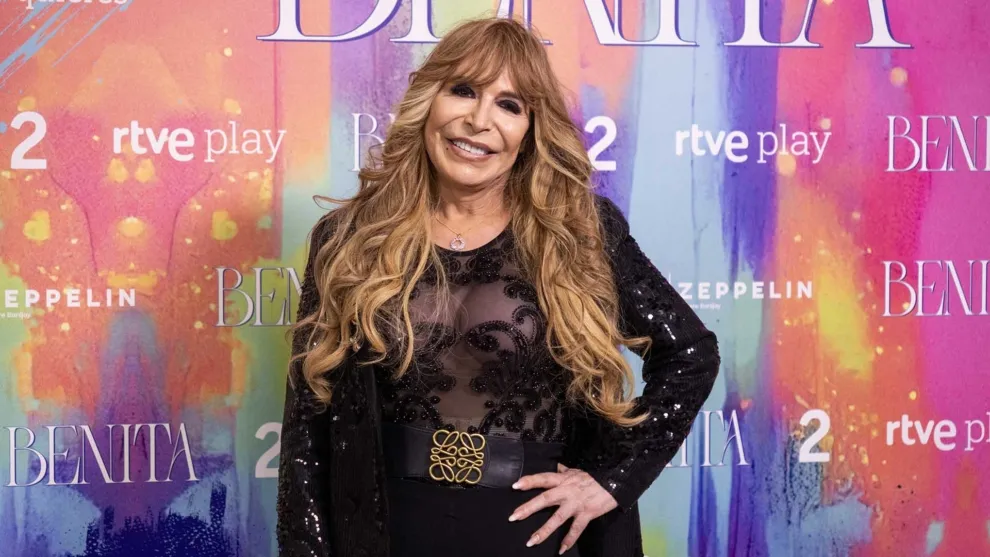
During the presentation, Benita highlighted the importance of Tony, her manager, in her life. She described him as the man who has helped her the most and whom she loves the most, recognizing his unconditional support during her gender transition. Benita shared that Tony was the one who encouraged her to move forward with her transition.
Benita Castejón: Identity, Transition, and Television in a RTVE Documentary - Image 2
This statement underlines the importance of personal support in the process of transformation and the influence of significant relationships in a person's life.

When asked about her surname, Castejón, and her relationship with the President of the Government, Pedro Sánchez Pérez-Castejón, Benita proudly replied: “Yes, I share a surname and more things fortunately. I am very proud to be Castejón.” This statement highlights her connection to her family roots and her personal identity.

The documentary, initially conceived as a two-chapter series, aims to be a reflection of her life and transition process. Benita hopes that the documentary, which she considers a gift, will help many people, showing her transition journey in a deeper and more emotional way. She describes the documentary as an album of her process, with “blood, feeling, and laughter,” rather than a simple photograph.

Benita also spoke about the pressure of having to continuously justify herself, especially having changed her mind over the years. She emphasizes her right to be free and to change her mind whenever she wants, highlighting that people should be more open to this flexibility. In addition, she rejects the idea of carrying the flag of the LGTBIQ+ collective, preferring to simply be Benita, and expressing her desire not to represent anyone without their consent.
Editorial Note

This content has been synthesized and optimized to ensure clarity and neutrality. Based on: El Independiente