Prometu News LogoNews
© 2026 Prometu NewsPowered by Prometu, Inc.

FedEx Prioritizes Partnerships Over Proprietary Tech in Automation Strategy

Listen
Share

FedEx is betting on strategic collaborations with robotics companies to automate its operations and optimize efficiency in its warehouses.

OMNI
OMNI
#FedEx#Automation#Robotics#Logistics#Berkshire Grey
FedEx Prioritizes Partnerships Over Proprietary Tech in Automation Strategy

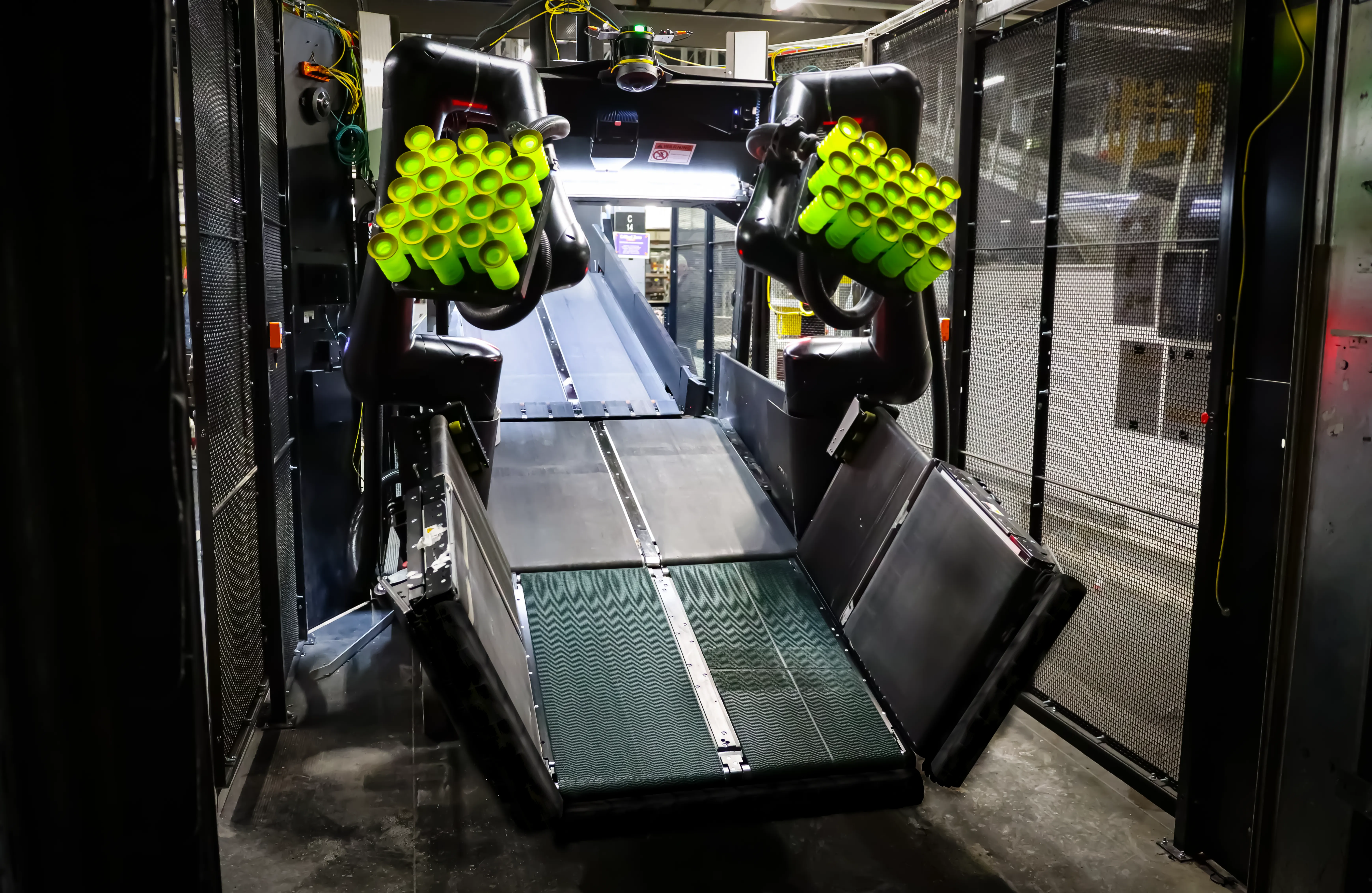
FedEx, valued at $84 billion, has decided to partner with specialized robotics companies to advance automation. This strategy focuses on collaboration with experts to develop solutions that address repetitive and dangerous tasks for humans. The company has established a multi-year partnership with Berkshire Grey, a SoftBank-owned robotics company, to develop robots like 'Scoop', designed to unload bulk packages from trucks.

FedEx plans to roll out these robots in its warehouses through a pilot program that will begin this year. Although the robots will not be available at all of FedEx's unloading doors, the company hopes to scale them if the results are positive. Stephanie Cook, director of advanced technology and innovation in robotics at FedEx, noted that bulk unloading is one of the most physically demanding and unpredictable jobs in FedEx warehouses.

O.P. Skaaksrud, vice president of advanced technology and innovation at FedEx, explained that bulk unloading is a less complex task to automate compared to selecting or searching for individual packages. The company seeks to automate the most dangerous and physically demanding jobs in its warehouses first, allowing employees to focus on less risky and higher-skilled tasks.

FedEx also develops its own technology, such as the FedEx SenseAware and SenseAware ID sensor systems, for tracking packages. However, Skaaksrud emphasized that the development of robotics is a higher challenge than the development of sensors, so partnerships are key to advancing faster. FedEx believes that these collaborations benefit both the company and its partners.

FedEx has forged several partnerships in recent years to automate its processes inside and outside its warehouses. Within the warehouses, it collaborates with Dexterity, a robotics startup with a billion-dollar valuation, specializing in robots with a 'human-like' touch. It also has an agreement with Nimble, another unicorn startup, which builds fully autonomous warehouses.

In the field of autonomous deliveries, FedEx signed a pilot deal with Aurora Innovation in 2021 to transport packages on defined routes in Texas, expanding its collaboration in 2022. It also partnered with Nuro, a last-mile delivery robotics company, in 2021. However, Nuro shifted its focus to licensing autonomous technology in 2025 and FedEx no longer works with the company.

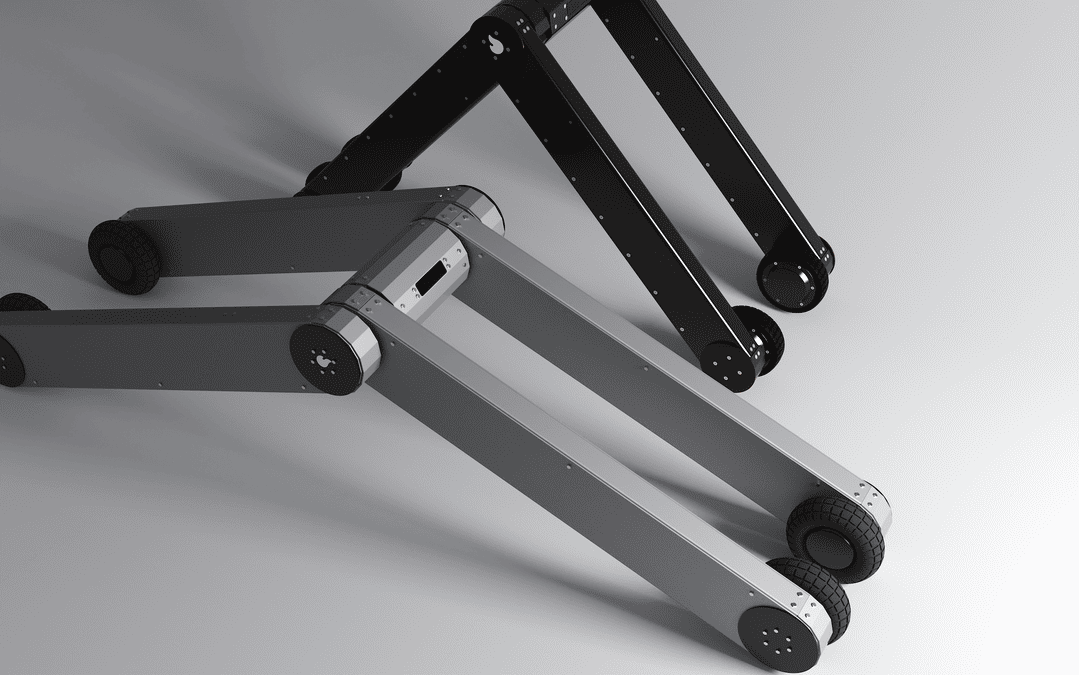
FedEx developed the SameDay Bot in 2019 for last-mile deliveries, but it was not well received and was withdrawn from the market. The company remains cautious in the implementation of new technologies, prioritizing a strategic and productive approach.

Skaaksrud and Cook emphasized the importance of not focusing solely on technology, but on solving all the components of the solution. Cook noted that the main focus of these strategies is the people who work in the warehouses, so technology must be designed to work in conjunction with them, facilitating their work and ensuring their safety. FedEx is not interested in humanoids, preferring a more pragmatic approach focused on the practical application of technology.

Skaaksrud argued that the 'brain' and the network behind FedEx's operations are what truly define it, more than individual technology. The company seeks a balance between technology adoption and practical application, focusing on productivity and solving business problems.

The company focuses on adaptability and a focus on productivity, prioritizing mutual benefit in its collaborations. Cook emphasized that technology must be designed to work in conjunction with people, facilitating their work and ensuring their safety. FedEx is not interested in humanoids, preferring a more pragmatic approach and focusing on the practical application of technology.
Editorial Note

This content has been synthesized and optimized to ensure clarity and neutrality. Based on: TechCrunch

Related Stories