Summer Gas Relief? EPA Allows High-Ethanol Gas, But...
Listen
Share
The EPA has approved the sale of high-ethanol gasoline during the summer, a move aimed at easing prices, but one that sparks debate over its environmental impact.
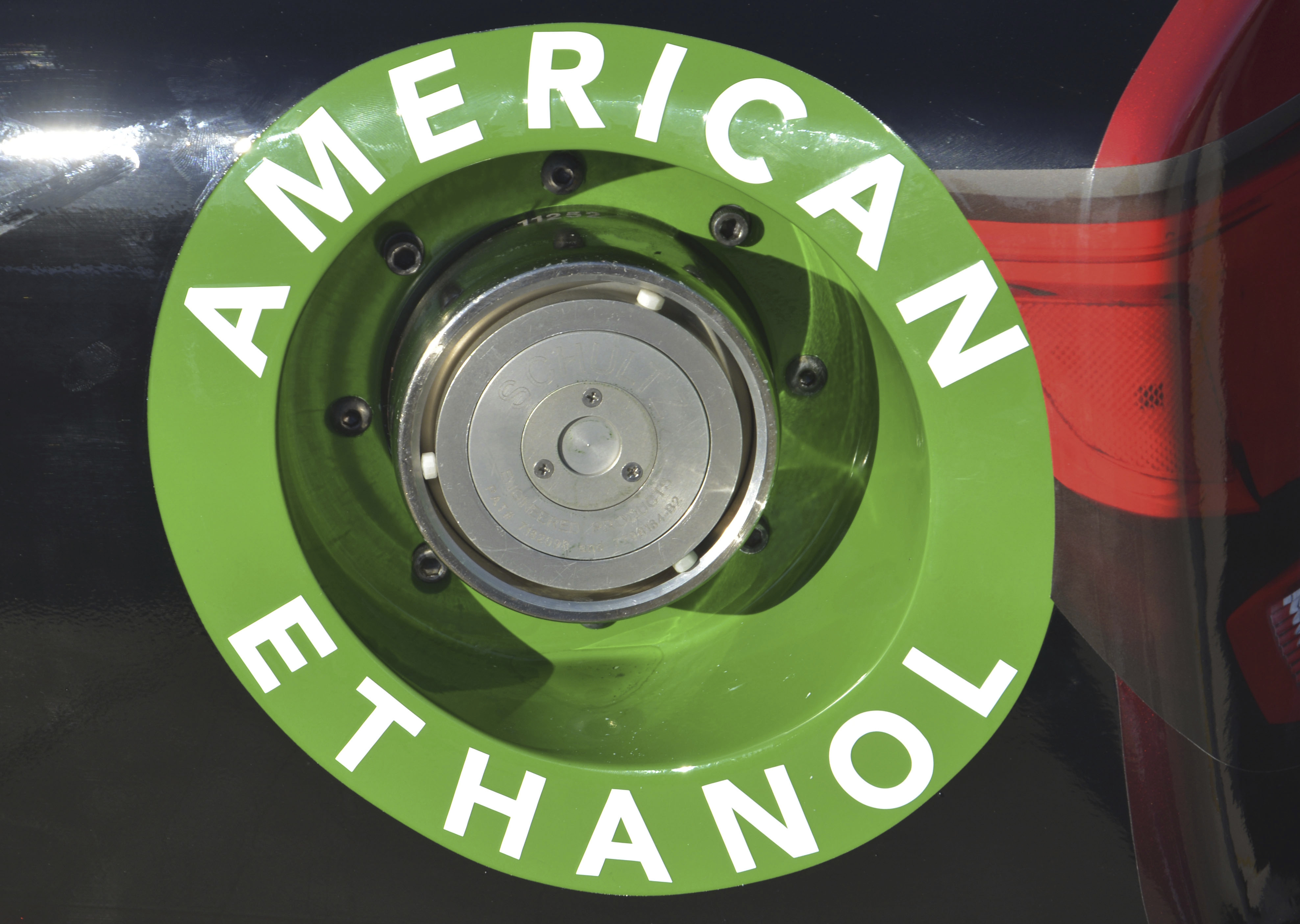
The U.S. Environmental Protection Agency (EPA) has authorized the sale of high-ethanol gasoline (E15) during the summer. This decision, made by the Trump administration, reverses the usual restrictions applied to this type of fuel in the warmer months. E15 gasoline, which contains up to 15% ethanol, is typically restricted in the summer due to its higher volatility, which can contribute to air pollution.
This measure, although not the first time it has been implemented, as a similar decision was made last year, comes in a context of high gasoline prices, exacerbated by the war in Iran. The average price of gasoline in the United States is around $3.98 per gallon, a dollar more than a month ago, according to recent data.
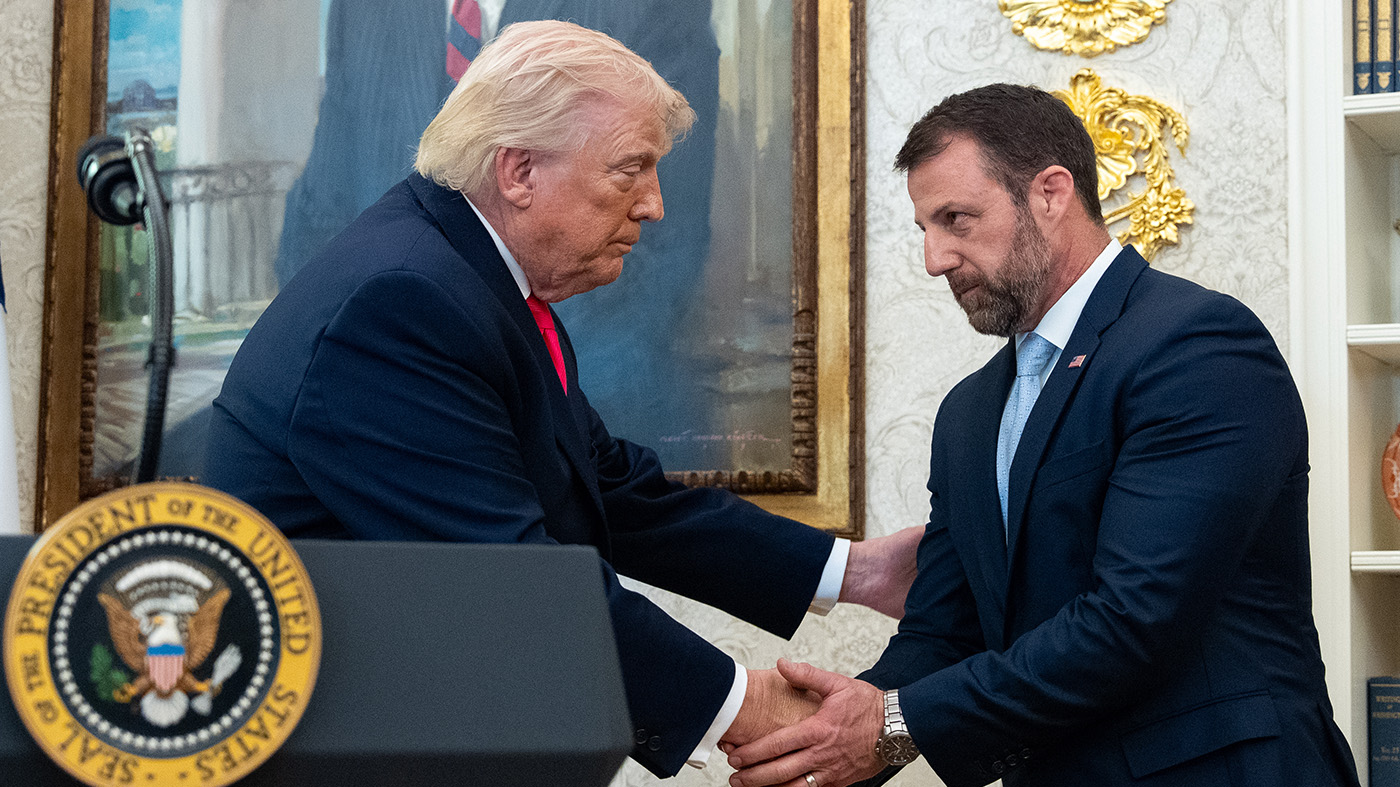
The Trump administration describes this authorization as an effort to reduce gasoline prices. EPA Administrator Lee Zeldin stated in a written statement that the agency is working to reduce unnecessary costs and ensure affordable prices for Americans during the summer.
However, analysts at The Hill have pointed out that the government's available policy tools to influence prices are limited. The reopening of the Strait of Hormuz, through which approximately 20% of the world's oil flows, would be the most effective solution to significantly reduce prices.
The war in Iran has disrupted the shipment of oil through the Strait of Hormuz, a strategic point for the world's crude oil transport. This situation has contributed to the rise in gasoline prices in the United States and has highlighted the vulnerability of the energy market to geopolitical conflicts.
The situation in the Strait of Hormuz is critical, as the conflict has stopped the passage of oil tankers, which directly impacts supply and, therefore, prices. The authorities are seeking solutions to stabilize supply and mitigate the impact on consumers.
It is important to note that this is not the first time the Trump administration has made this decision. A similar measure was implemented last year, suggesting a recurring strategy to address gasoline prices. This approach comes at a time when fuel prices are particularly sensitive, due to geopolitical tensions and supply disruptions.
The repetition of the measure reflects the search for short-term solutions to a complex and multifaceted problem, involving economic, environmental, and geopolitical factors.
The EPA's decision has generated diverse reactions. While some see it as a positive step to alleviate prices, others express concerns about the environmental impact of E15 gasoline. The volatility of ethanol and its potential to increase air pollution are key factors in this debate.
The future of the fuel market in the United States will depend on the evolution of the situation in Iran, government policies, and the search for energy alternatives. The transition towards cleaner fuels and the diversification of energy sources are central themes on the country's energy agenda.