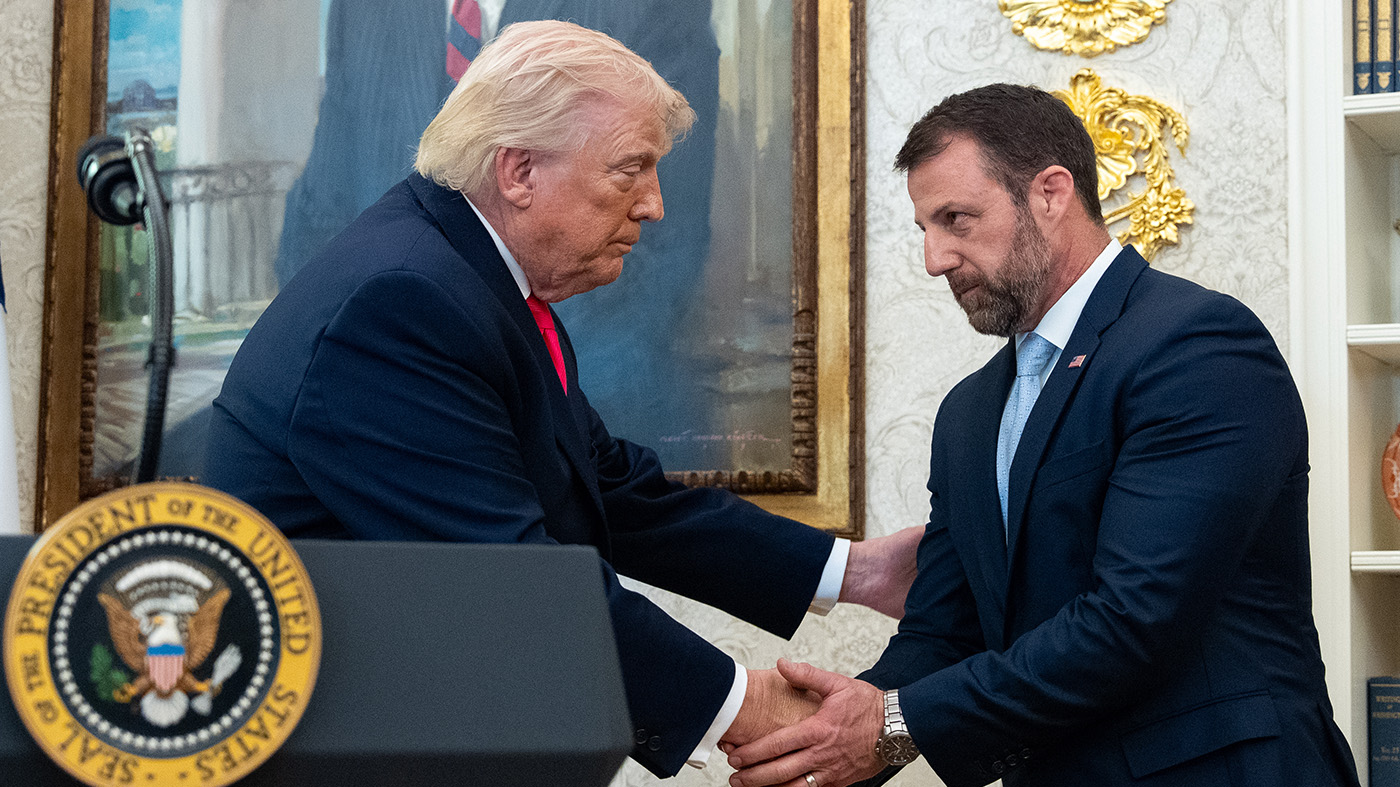
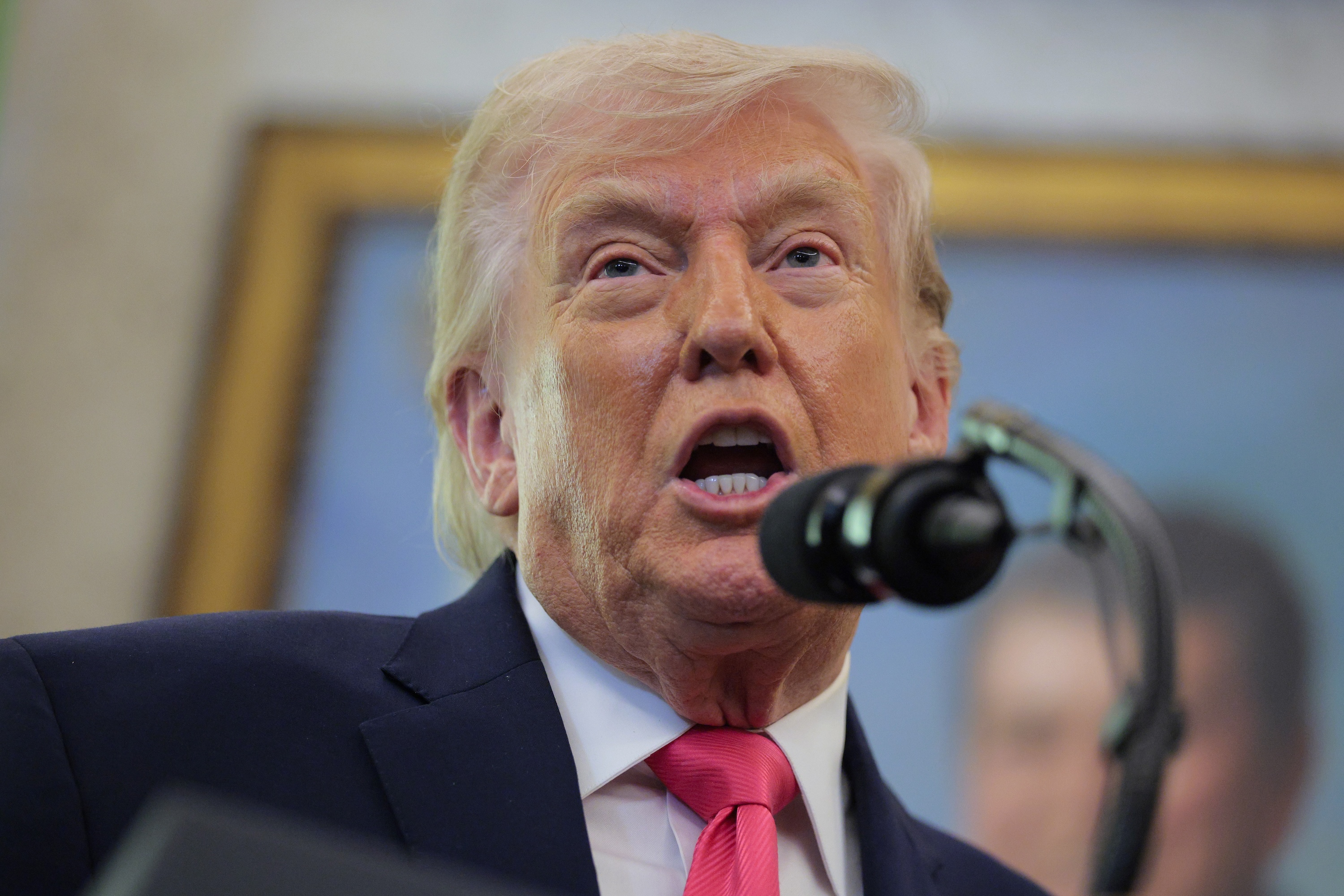
Former President Donald Trump has expressed his intention for the current war to be resolved within a period of four to six weeks. This statement comes at a time of geopolitical and economic tension, where the price of oil and its derivatives are in constant fluctuation. Trump's urgency to end the conflict could have significant implications for global stability and energy markets.
The current situation reflects the complexity of the factors that influence the world economy, from political decisions to the dynamics of the oil market. Movements on the geopolitical board, such as Trump's position, can trigger rapid and profound changes in the economy, affecting consumers and businesses alike.
The price of oil has once again exceeded $100 per barrel, a level not seen for some time. This increase directly impacts production and transportation costs, which in turn is reflected in the final price of fuels. The fluctuation of oil prices is a key indicator of global economic health and geopolitical tensions.
This increase in the price of oil could have knock-on effects on the economy, affecting inflation and the purchasing power of consumers. Businesses and governments must be prepared to adapt to this volatility and take measures to mitigate its impact.
In California, gasoline prices are reaching worrying levels, approaching $9 per gallon. This increase in the cost of gasoline is a significant burden for consumers and businesses that depend on transportation. Factors such as state taxes, refining costs, and oil supply and demand contribute to this situation.
The rise in gasoline prices can influence consumer purchasing decisions, inflation, and the viability of certain businesses. Local and state authorities could consider measures to alleviate the economic burden on citizens, such as subsidies or incentives for energy efficiency.
The ongoing conflict is generating internal tensions within NATO. Different positions and priorities among member countries are testing the cohesion of the military alliance. The divergence of opinions on how to address the situation and conflicting national interests complicate the search for a unified response.
These divisions could weaken NATO's ability to respond to global threats and challenges. Unity and coordination are essential for the effectiveness of the alliance, and any crack in it could have significant consequences for international security.
It is notable that markets are not fully reflecting the impact of the current oil crisis. Despite high oil prices and geopolitical tensions, some analysts believe that the market is not adequately valuing the risks and potential economic consequences. This lack of valuation could lead to abrupt adjustments in the future.
The underestimation of the impact of the oil crisis could result in greater market volatility and a delayed reaction to problems. Investors and authorities should closely monitor the situation and prepare for possible adverse scenarios.