PrometuNews
© 2026 Prometu NewsPowered by Prometu, Inc.
Economy4 min...

Iran War & Petroyuan: Is the Dollar's Hegemony Ending?

Listen
Share

The war in Iran could weaken the US dollar's dominance in global oil trade, potentially opening the door to China's 'petroyuan'.

OMNI
OMNI
#dollar#oil#Iran#China#economy
Iran War & Petroyuan: Is the Dollar's Hegemony Ending?

The US dollar has been the dominant currency in global trade and reserves, largely due to the oil trade in the Middle East. A 1974 agreement between Saudi Arabia and the United States established the 'petrodollar', where Saudi Arabia would price its oil in dollars and invest its surpluses in US assets.

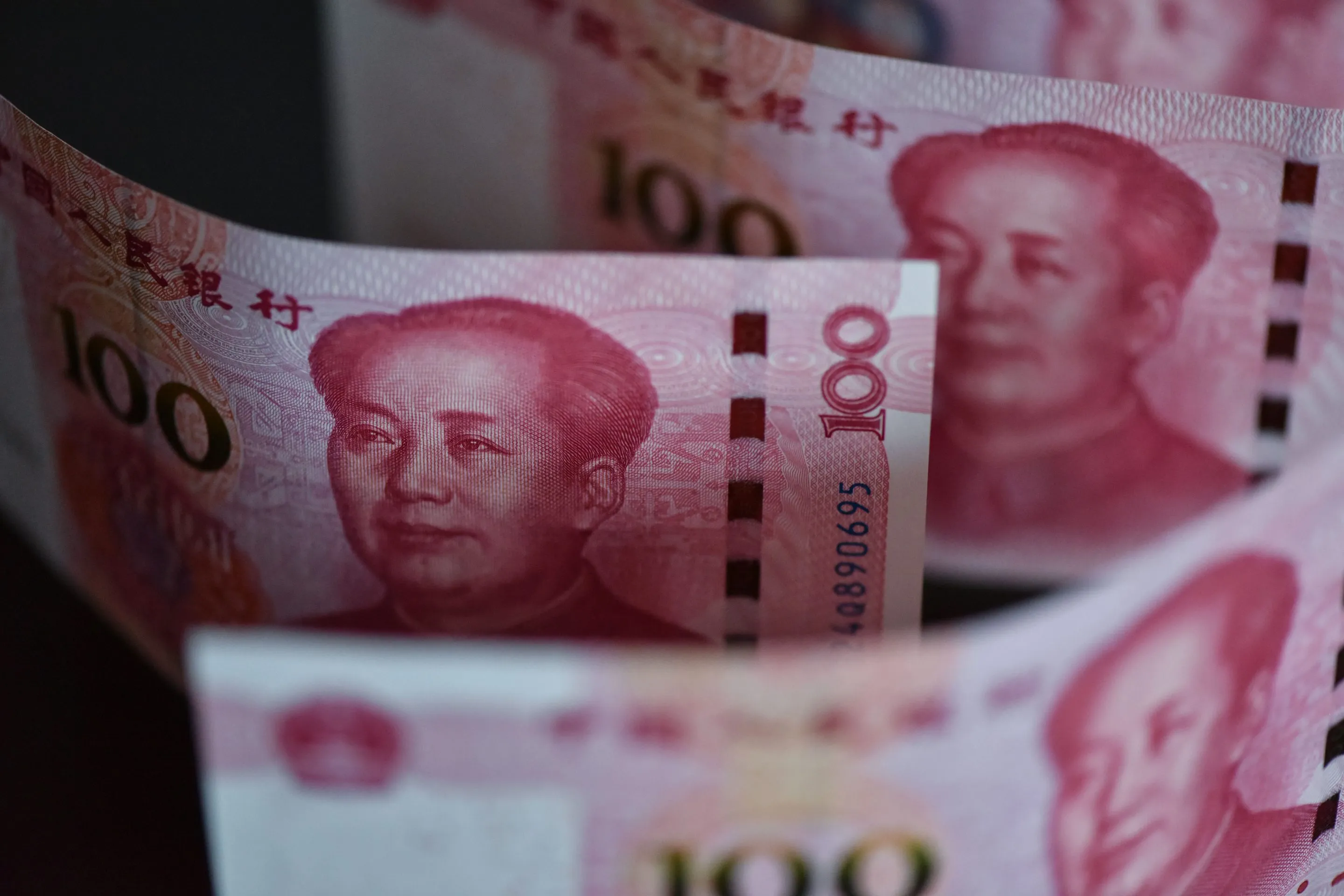
However, the war in Iran could alter this dynamic. Deutsche Bank points out that the conflict could open the door to the Chinese yuan, challenging the dollar's supremacy. Oil is essential for manufacturing and transportation, which incentivizes dollarization. Middle Eastern oil and gas are used to make petrochemicals, fertilizers, and even helium, which is crucial for chipmaking.


In exchange for Saudi Arabia reinvesting its dollars in the United States, Washington guaranteed the kingdom's security, including the presence of troops, the supply of advanced weapons, and free navigation in the Strait of Hormuz. However, the role of the United States in the region has changed dramatically. Although US and Israeli military forces have degraded Iran's capabilities, the Iranian regime can still selectively block the Strait of Hormuz unless safe passage is negotiated and paid for in Chinese yuan.

In addition, Iranian missiles and drones have caused significant damage to US infrastructure, and US air defense systems have failed to completely protect the energy infrastructure of Gulf allies. This puts the security of the 'petrodollar' at risk.

US sanctions on Russian and Iranian oil have created an illicit trade that uses other currencies, such as the yuan. Saudi Arabia also joined the mBridge project, a central bank digital currency initiative led by China that competes with the dollar's payment infrastructure.

Analysts warn that the current conflict could further expose the flaws, challenging the US security umbrella for Gulf infrastructure and maritime security for global oil trade. Damage to Gulf economies could encourage a decline in their foreign asset savings. Reports suggest that the passage of ships through the Strait of Hormuz could be granted in exchange for oil payments in yuan, which could be a key catalyst for the erosion of 'petrodollar' dominance and the beginning of the 'petroyuan'.

The loss of the dollar's 'exorbitant privilege' would affect other areas of global finance, including the bond market. Due to its status as the world's reserve currency, the US federal government has been able to issue debt at lower rates than investors would otherwise allow.

While dollar doomsayers have been consistently proven wrong, and the dollar has surged against other major currencies during the war in Iran, there is an even greater threat to the dollar's dominance than the Chinese currency: a permanent shift away from global oil and gas trade.

With energy prices soaring, Asian countries that rely heavily on Middle Eastern supplies are rationing oil and gas, turning to coal, nuclear power, and renewables. Demand for electric vehicles is also increasing worldwide.

Deutsche Bank states that the energy choices of the Global South, Europe, and North Asia will be key to track. A move away from oil could be as powerful as the pressure to price it in other currencies. A world that becomes more self-sufficient in defense and energy could also be a world that holds fewer US dollar reserves.
Editorial Note

This content has been synthesized and optimized by the Prometu editorial system to ensure clarity and neutrality. Based on: Fortune

Iran War & Petroyuan: Is the Dollar's Hegemony Ending? | Prometu News