Consumer confidence fell by 6% in March, returning to levels last seen in December, according to the University of Michigan's Surveys of Consumers. This decline was observed across all age groups and political affiliations. Consumers with middle and higher incomes, as well as those with stock wealth, showed the most significant drops due to rising gas prices and the volatility of financial markets, exacerbated by the conflict in Iran.
Joanne Hsu, director of the Surveys of Consumers, noted that consumers' short-run economic outlook "plunged" 14%, and personal financial expectations for the coming year decreased by 10%, although long-term expectations were more subdued.
The conflict in Iran has created uncertainty and affected the global flow of oil, contributing to rising gas prices. About a third of the consumer sentiment survey was completed before the start of the war, and consumers interviewed after the fighting began revealed higher inflation expectations. Consumers expect inflation to rise to 3.8% for the coming year, up from 3.4% in February, the largest jump in almost a year. In comparison, consumers pegged inflation between 2.3% and 3% in the two years before the pandemic.
The Consumer Price Index (CPI) showed a 2.4% increase in February, and it has not exceeded 3% since May 2024.
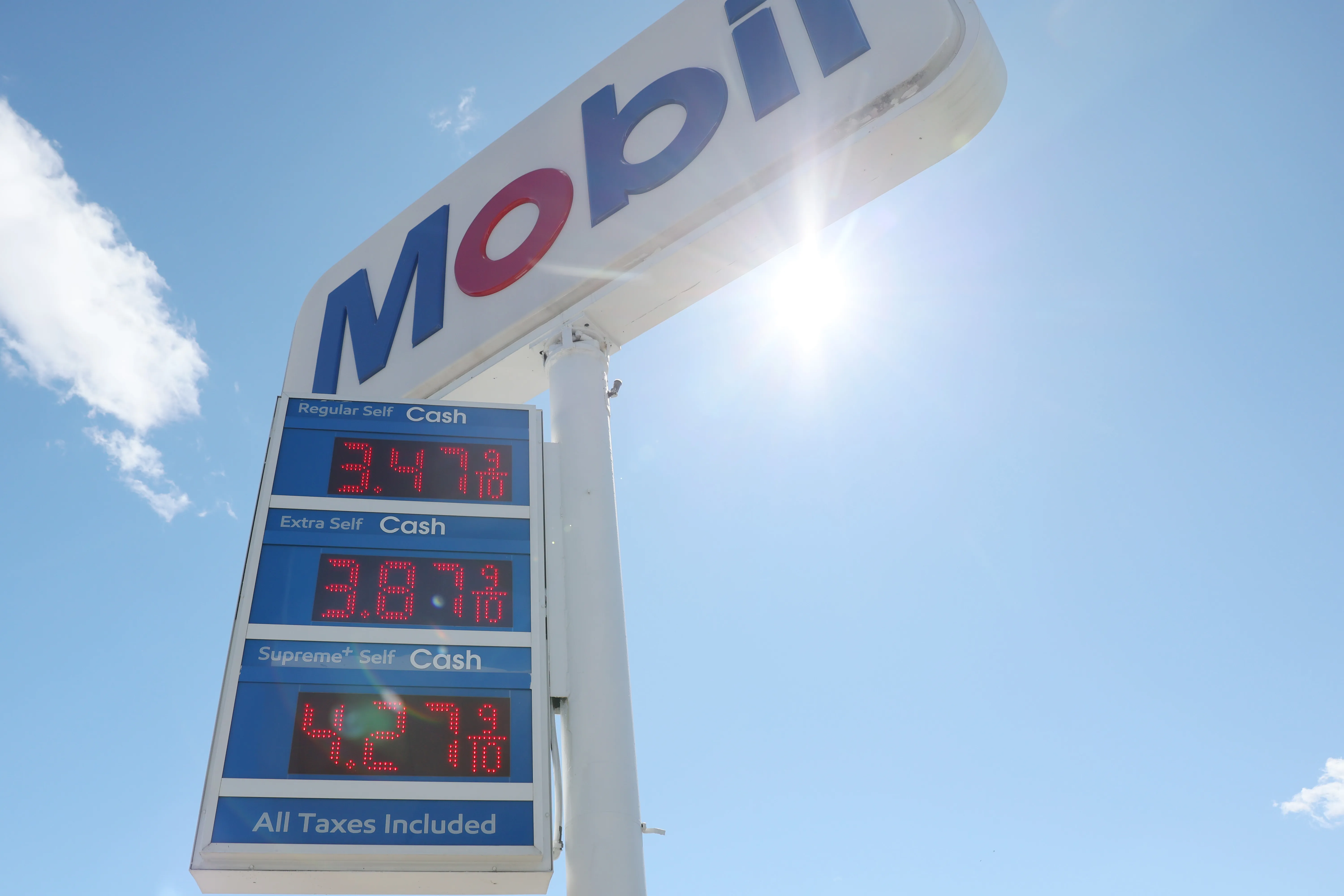
The average price of a gallon of regular gas is $3.98, one dollar more than a month earlier. The price of $4 is considered psychologically important to consumers. This increase in gas prices directly affects consumer confidence and their economic expectations.
Despite the uncertainty, brands and consumers appear to be monitoring and adapting to the situation. The combination of higher gas prices, increased tariffs, and other macroeconomic trends makes business harder overall.
The National Retail Federation (NRF) forecasts that U.S. retail sales will rise 4.4% to $5.6 trillion this year, up from the 3.6% average over the past decade. Mark Mathews, chief economist of the NRF, warns that a significant improvement in consumer confidence is not expected.
In this context, companies like Lululemon Athletica Inc. are implementing strategies to adapt. The company is seeking a new chief executive officer and focusing on reducing discounts, improving products, and driving full-price sales. Lululemon expects revenue to grow between 2% and 4%, reaching between $11.35 billion and $11.5 billion, with a 1% to 3% decline in the U.S.
Meghan Frank, interim co-chief executive officer and chief financial officer of Lululemon, expressed caution about the behavior of high-value consumers. Frank highlighted "green shoots" in some new product launches and expects this to extend to that customer segment.
The economic landscape, influenced by high gas prices and global uncertainty, presents challenges for businesses and consumers alike. Economic stability and consumer confidence are intrinsically linked to factors such as energy prices and the geopolitical situation.
Editorial Note
This content has been processed by our team to ensure neutrality and journalistic clarity. Based on:WWD