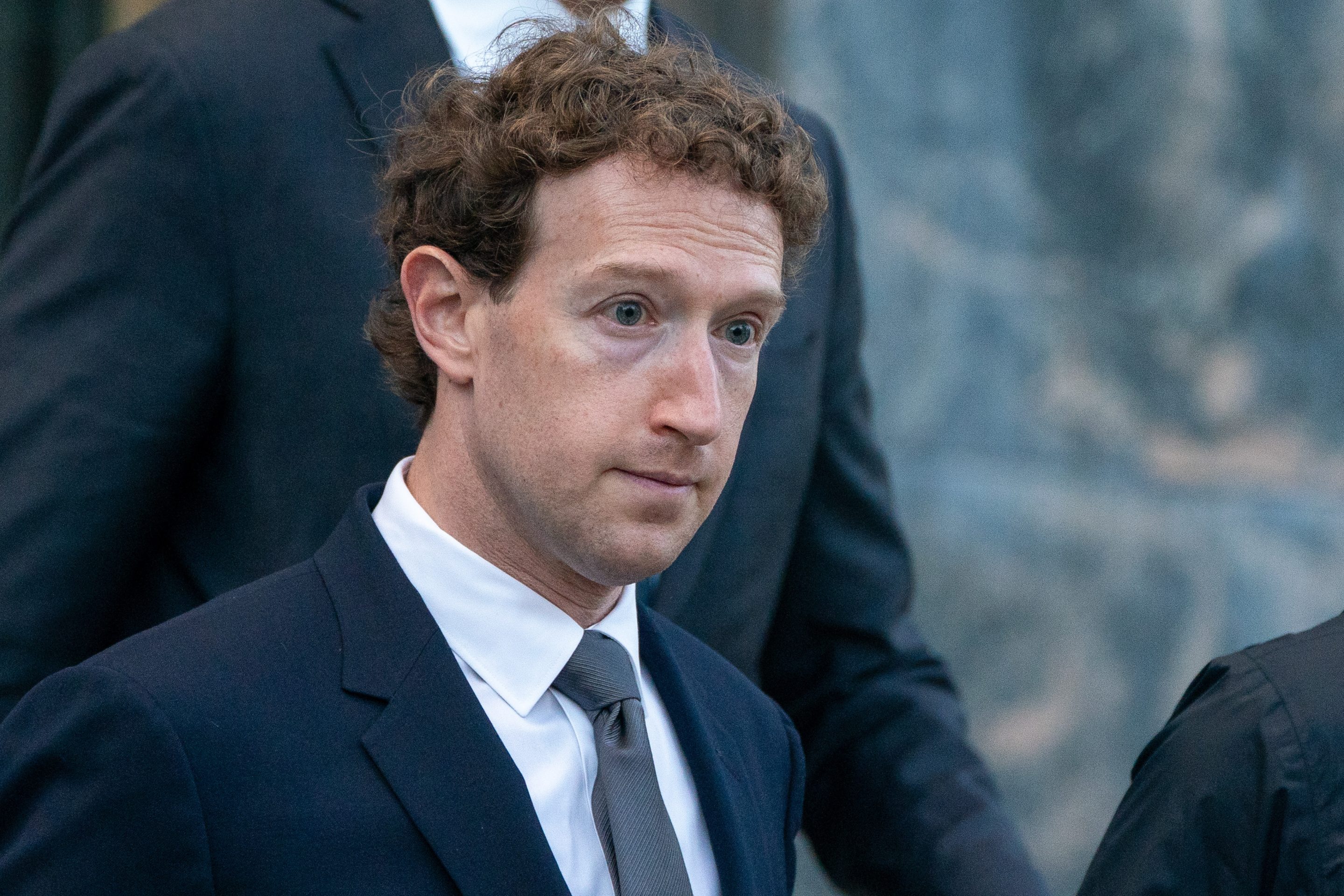
The Erin Brockovich-style movie about the lawsuits that reined in the social media companies will surely depict the shock on the faces of Meta's lawyers and executives as the verdicts are read aloud. While the disappointment of losing the case will be palpable, the real significance lies in the sudden realization of how wrong their assumptions have been about the public's attitude towards their products. Meta, with a market cap of $1.5 trillion and 3.6 billion daily users, bet that the public's love for its platforms would be enough to win the trials. However, reality has proven to be different. Meta could have settled these cases, as Snapchat and TikTok did, but chose to go to trial.
"If people feel like they’re not having a good experience, why would they keep using the product?" Zuckerberg asked during the trial. The answer is complex, but the court losses reveal that the daily use of social media does not translate into satisfaction. Parents are not happy with their children spending hours in front of screens, suffering cyberbullying, or being exposed to toxic influences. Voters also do not appreciate the polarization and lack of civility in public discourse, even if they sometimes get drawn into it. Meta, perhaps a scapegoat for deeper social problems, shows a worrying disconnect with public sentiment.
The company appears not to understand that the massive use of its platforms does not equate to widespread approval. Meta's lack of sensitivity towards public perception suggests that the company is out of touch with social reality. This represents a significant challenge for the company, regardless of the business it operates in. Alexei Oreskovic, a journalist at Fortune, has reported on this situation, highlighting the importance of adaptation and understanding public sentiment for business success.