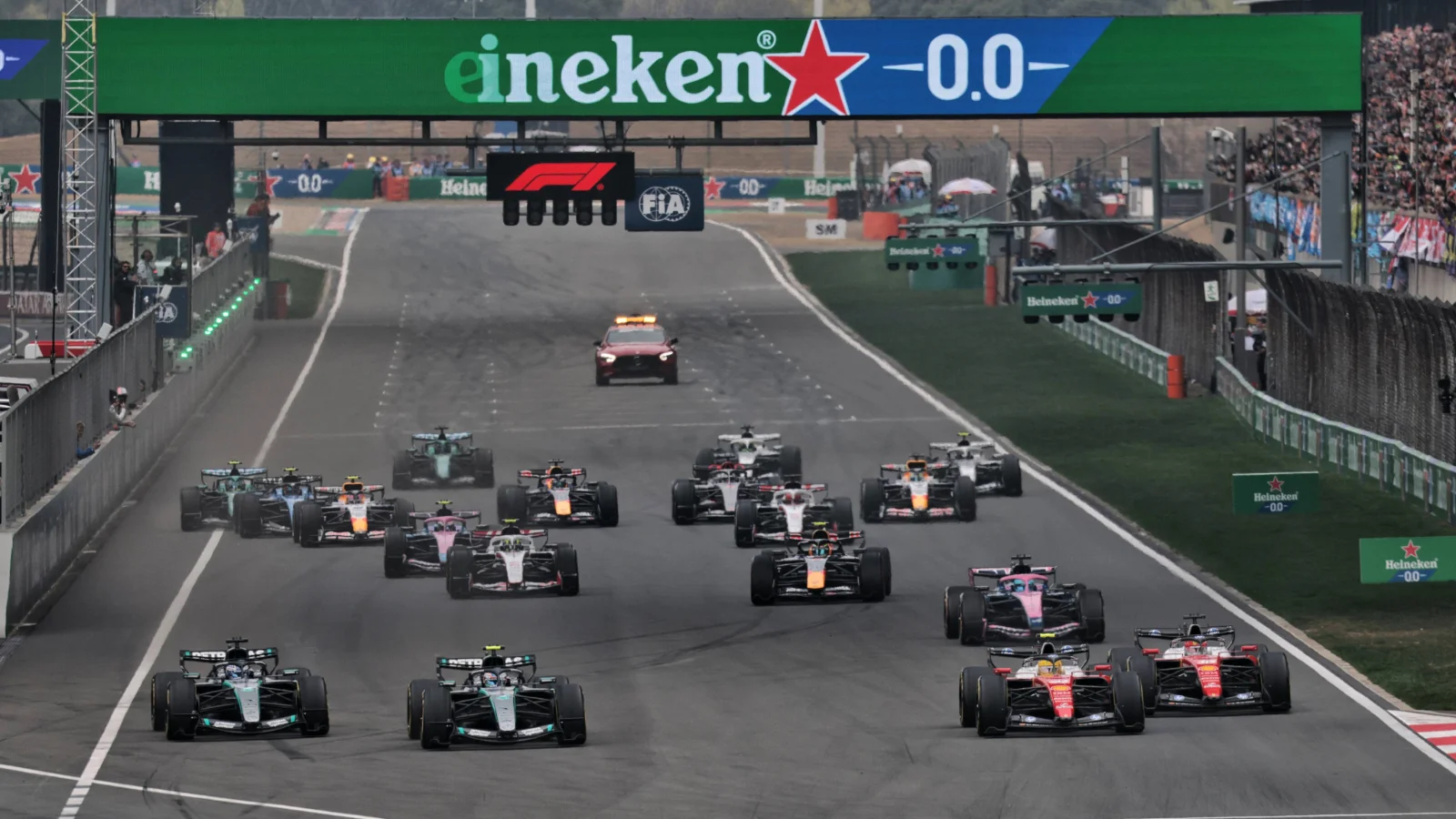
Current Formula 1, with its focus on battery charging and overtaking, has been compared to games like Mario Kart and Crash Team Racing. This similarity highlights the increasing importance of electric energy management at the expense of pure driving skill. Fans and drivers themselves have expressed concern about this transformation, which seems to prioritize energy strategy over the excitement of the race. This situation has generated a debate about the direction F1 is taking and whether it is moving away from its essence.
The repetition of the same strategies and the lack of innovation in the racing experience have caused a decline in interest. The lack of significant changes in the races and the predictability of the results have caused the excitement to diminish. F1, in its attempt to adapt to electrification trends, could be losing touch with its more traditional followers. This situation raises questions about the future of the sport and the need to find a balance between technological innovation and the essence of competition.
F1's new regulations, which seek a 50/50 split between internal combustion and electric power, have generated controversy since their implementation. The drivers expressed their dissatisfaction before even testing the cars on the track. These regulations, created in a context of the rise of electrification, have been criticized for ignoring the preferences of the fans, who are looking for exciting races and simple cars. F1, by prioritizing the 'fashion' of electrification, could be losing contact with its more technical and passionate fan base.
The transition to electrification has turned out to be more complex than expected, with challenges in charging infrastructure and consumer adoption. Automotive companies are rethinking their electrification strategies due to low demand and high costs. The lack of adequate charging infrastructure and the complexity of electric cars have generated doubts among consumers. F1, by adopting these regulations, seems to have underestimated these challenges and is now facing an identity crisis.
F1, in its attempt to be relevant in an increasingly electric world, bet on a 50/50 split between internal combustion and electric power. This decision attracted manufacturers like Audi and Honda, but quickly faced the reality of the market. The lack of consumer confidence in electric cars and the problems with charging infrastructure have undermined this vision. F1 is now faced with regulations that were created in a context that no longer exists.
F1's problems cannot be solved with cosmetic changes, but with a profound revision of its regulations. Battery management and active aerodynamics have detracted from the excitement of the races. Overtaking has become artificial, and the driver's skill has lost prominence. F1 needs to recover the essence of the sport, offering exciting and attractive races for fans.
Battery management has become the center of F1 races, detracting from the excitement and prominence of the drivers. Fans pay to see exciting races, not to see cars slowing down on the straights due to energy management. Overtaking has become artificial, and the driver's skill has lost prominence. This situation has generated criticism and has alienated more traditional followers.
The FIA is considering measures to limit battery management, but in the meantime, fans must endure artificial races. F1 finds itself at a crossroads, seeking a balance between technological innovation and the essence of the sport. The solution is not simple, but it is crucial for the future of F1.
F1 is facing an identity crisis that could alienate its fans if measures are not taken to improve the show. The lack of excitement in the races and the prioritization of technology over the driver's skill have generated criticism. F1 needs to recover the essence of the sport, offering exciting and attractive races.
The FIA is looking for solutions, but time is running out. F1 must find a balance between technological innovation and the essence of the sport. The future of F1 depends on its ability to adapt to market changes without losing the passion and excitement that have made it an iconic sport.