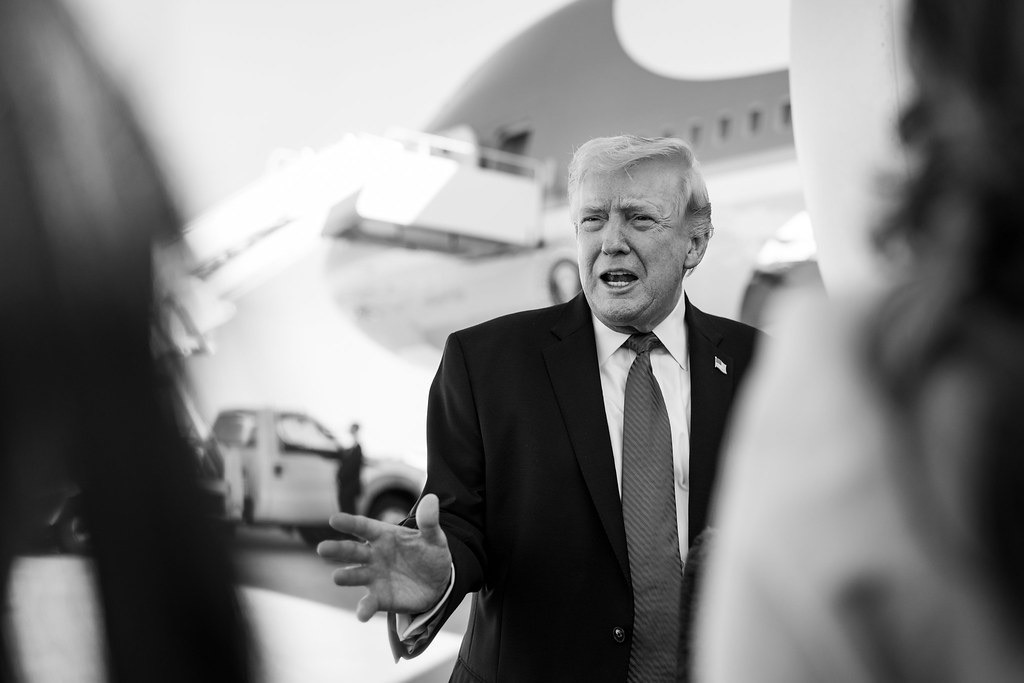
The new AI framework proposed by the Trump administration aims to restructure authority in artificial intelligence development, giving states a more prominent role in regulating and overseeing this emerging technology. This initiative could represent a significant step forward for the travel sector, by offering a clearer and more adaptable environment for the implementation of AI-based solutions. This change is expected to foster innovation and the adoption of new technologies in the industry, potentially leading to improvements in efficiency and the customer experience.
Despite its potential benefits in the area of AI development, Trump's proposed framework does not directly address one of the most urgent challenges facing the travel industry: the increasing pressure on pricing. This aspect is crucial, as travel companies face fierce competition and the need to maintain healthy profit margins. The lack of attention to this problem could limit the positive impact of the framework on the sector, since price optimization and cost management are critical factors for business success.
While the AI framework seeks to decentralize authority, this approach could pose significant regulatory challenges. The fragmentation of regulations at the state level could create a complex and costly environment for travel companies operating in multiple jurisdictions. The lack of a coordinated strategy at the federal level could hinder the adaptation and compliance of the new regulations, which could generate uncertainty and hinder the growth of the sector. It is essential to establish mechanisms to ensure consistency and clarity in the application of AI regulations.
For Trump's AI framework to have a real positive impact on the travel industry, it needs to be complemented with policies that address the problem of pricing and regulatory challenges. Travel companies need a framework that fosters innovation, but also allows them to compete in a fair and transparent market. Collaboration between the government, the industry, and AI experts is crucial to develop comprehensive solutions that drive the growth and sustainability of the sector.
Despite the intentions of the Trump administration, the long-term impact of the AI framework on the travel industry remains uncertain. The ability of states to implement and enforce AI regulations, as well as the industry's response to these changes, will determine the success or failure of this initiative. It is essential to closely monitor the evolution of the framework and evaluate its impact on the sector, in order to make the necessary adjustments and ensure that the goals of innovation and growth are met.